
Lettre H
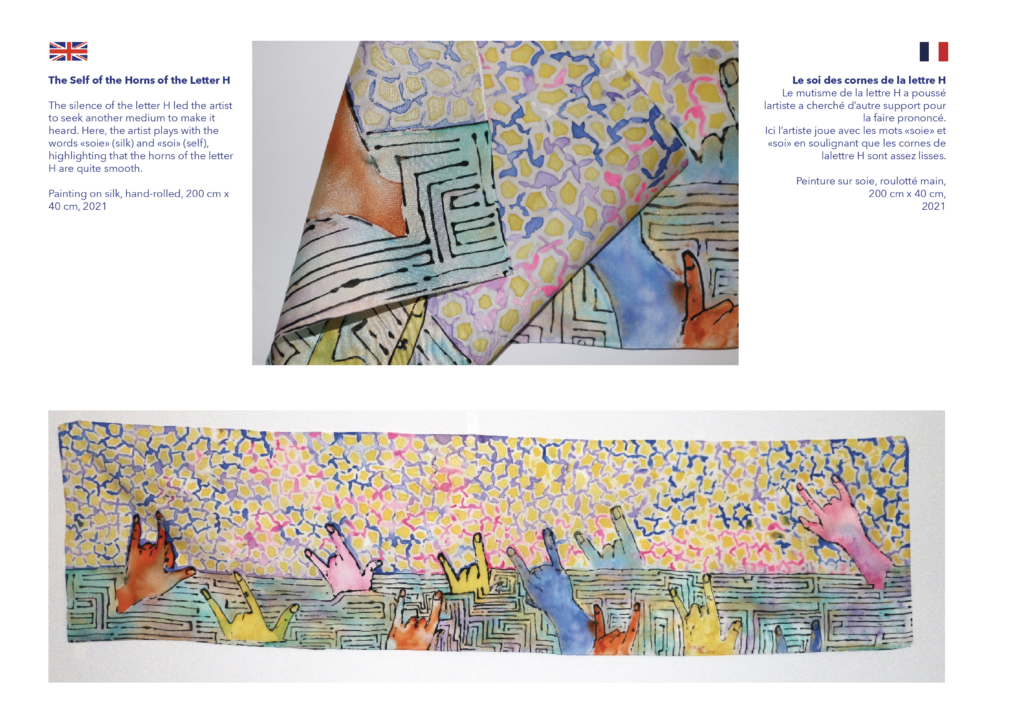
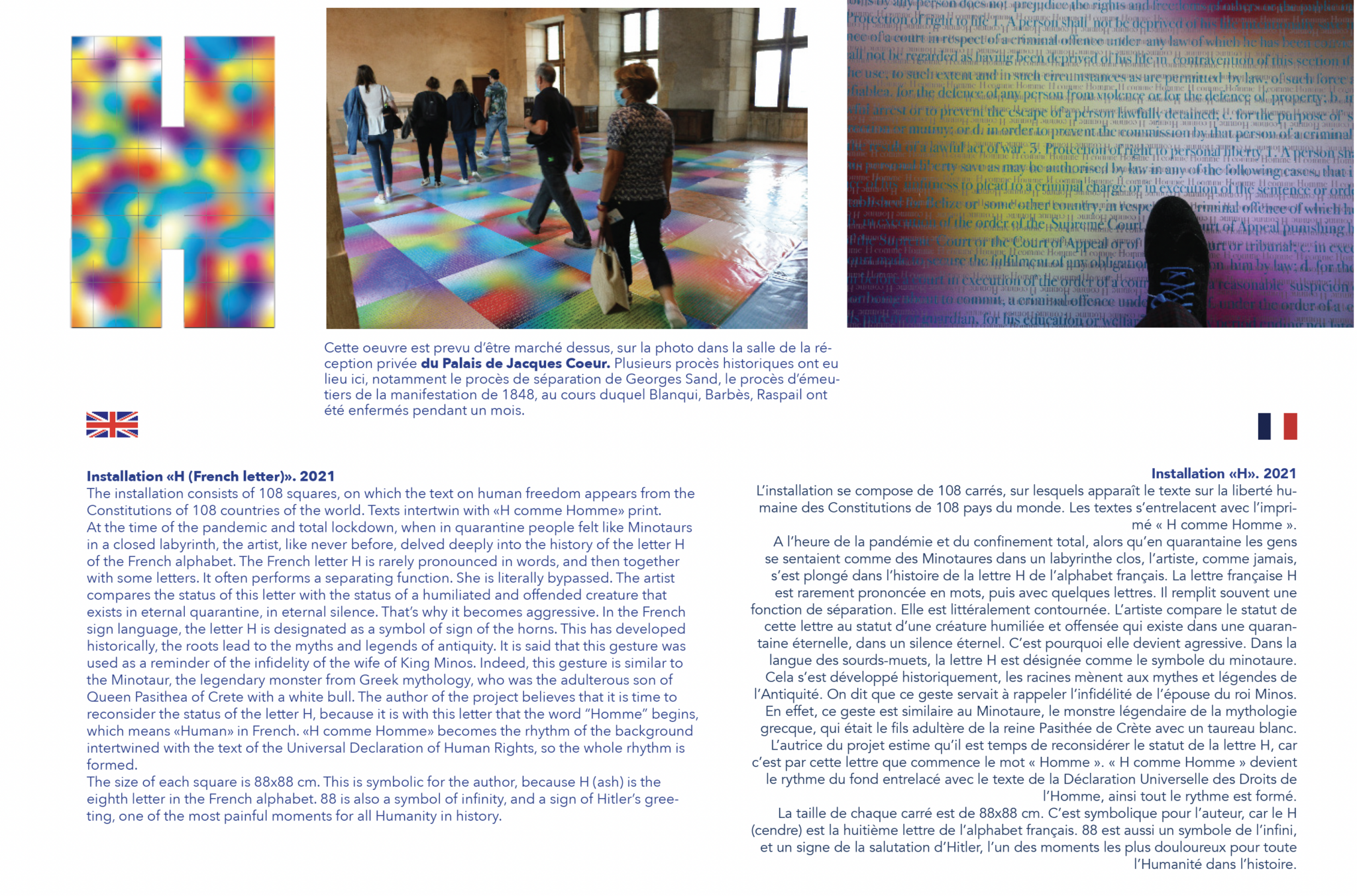
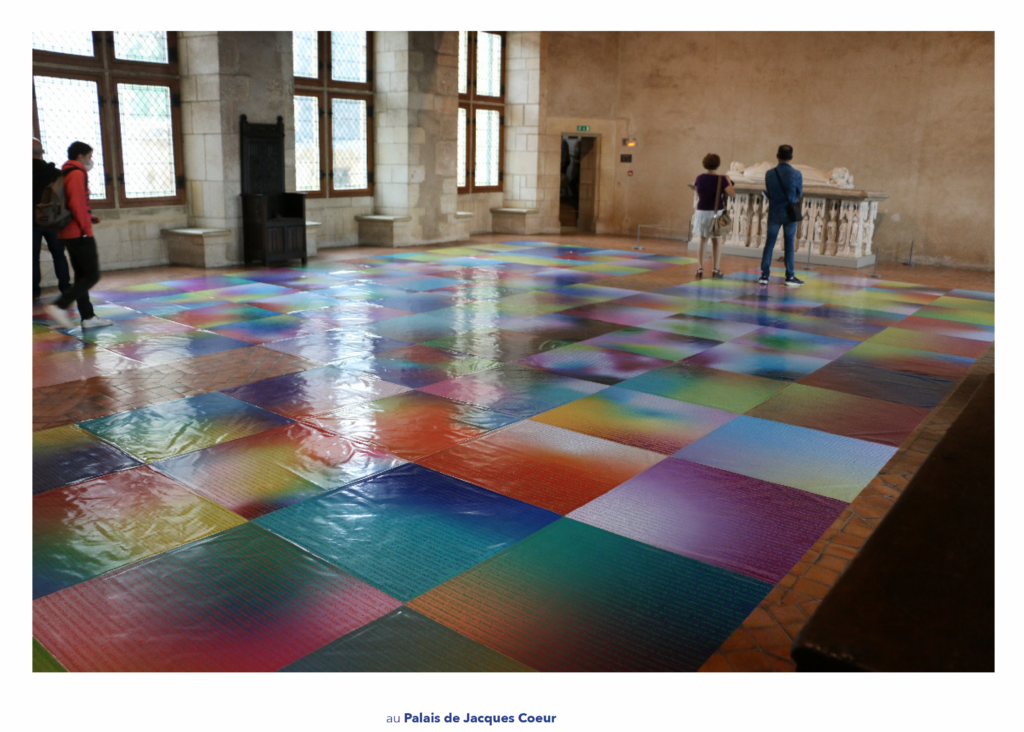
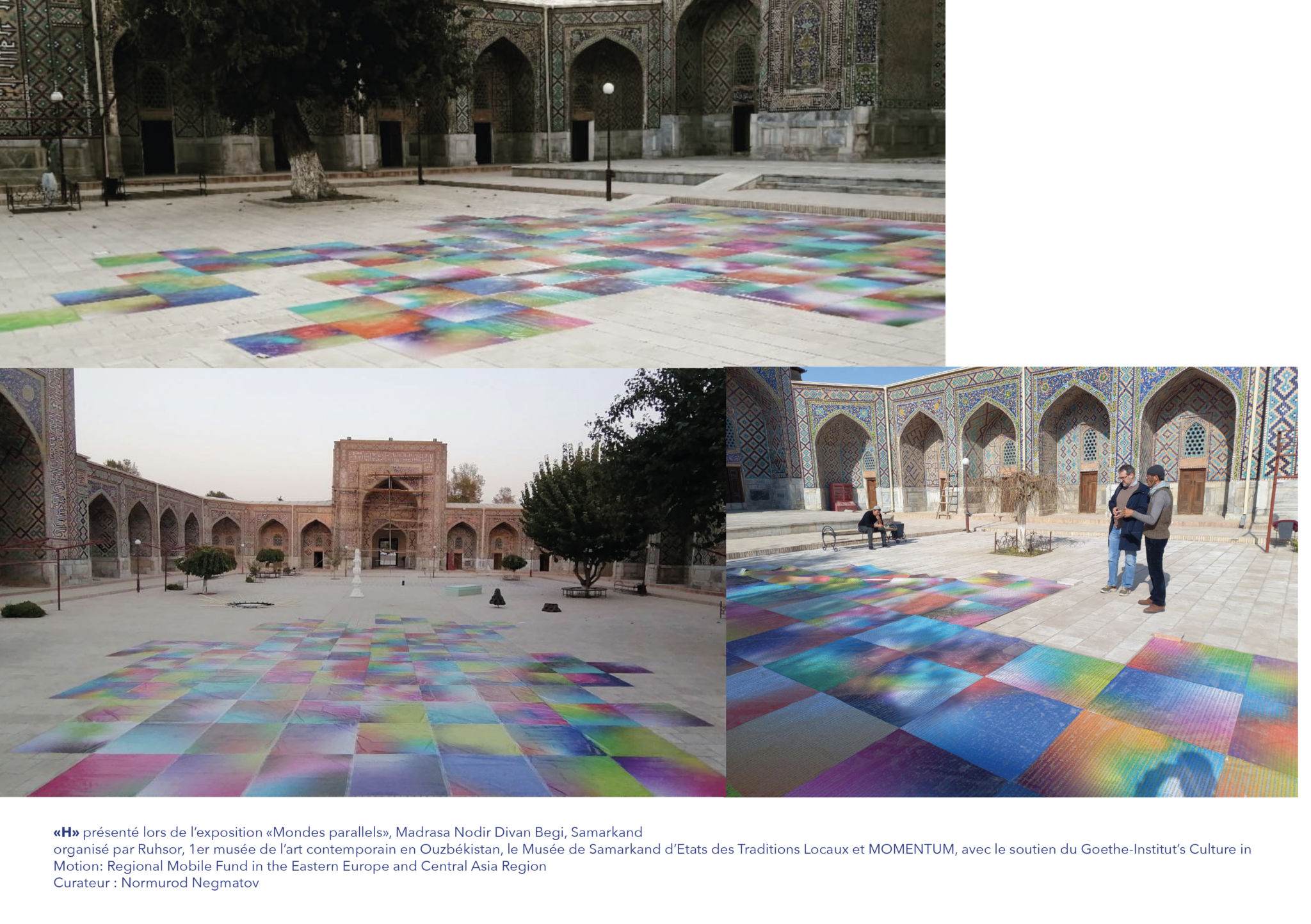
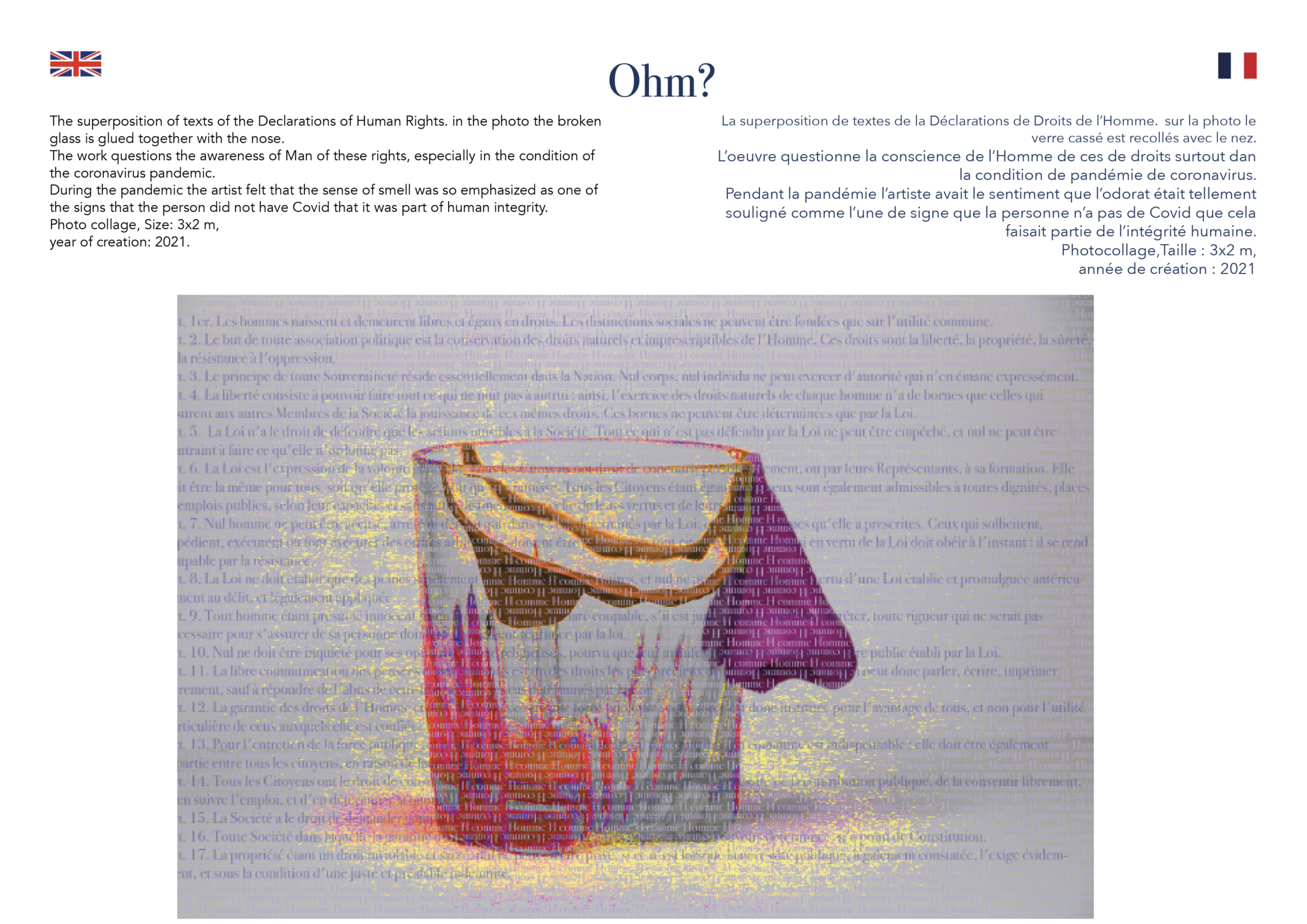
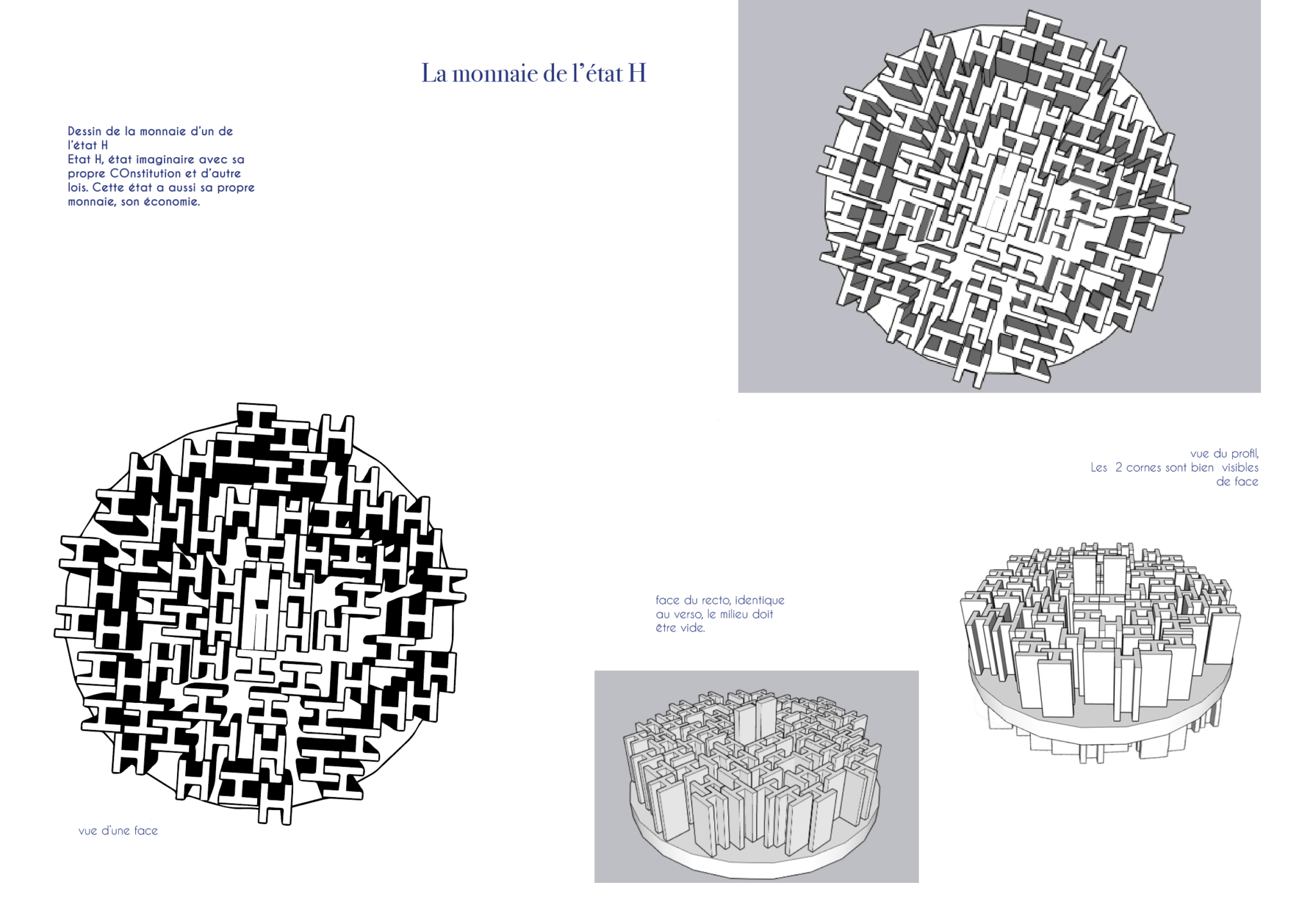
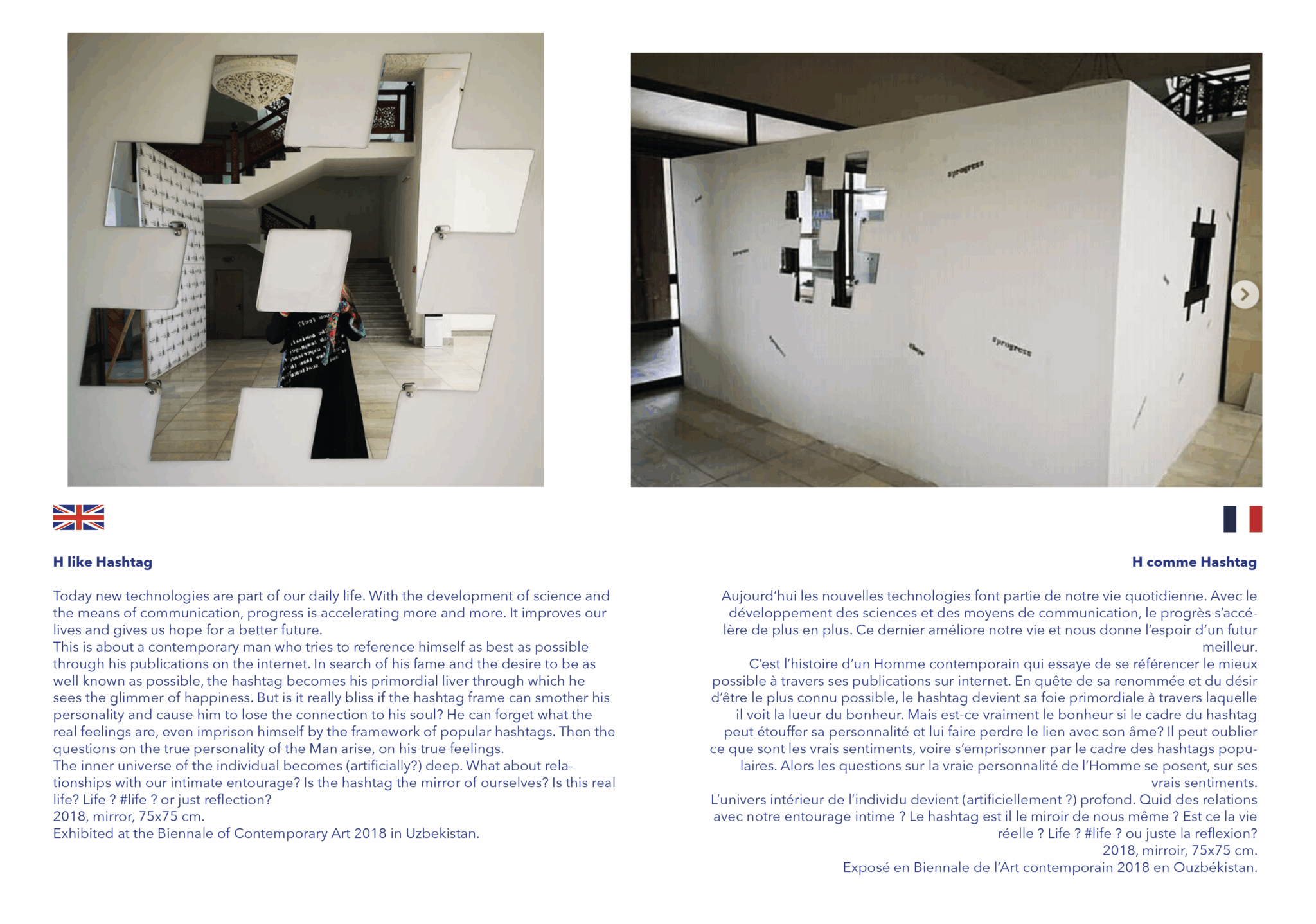
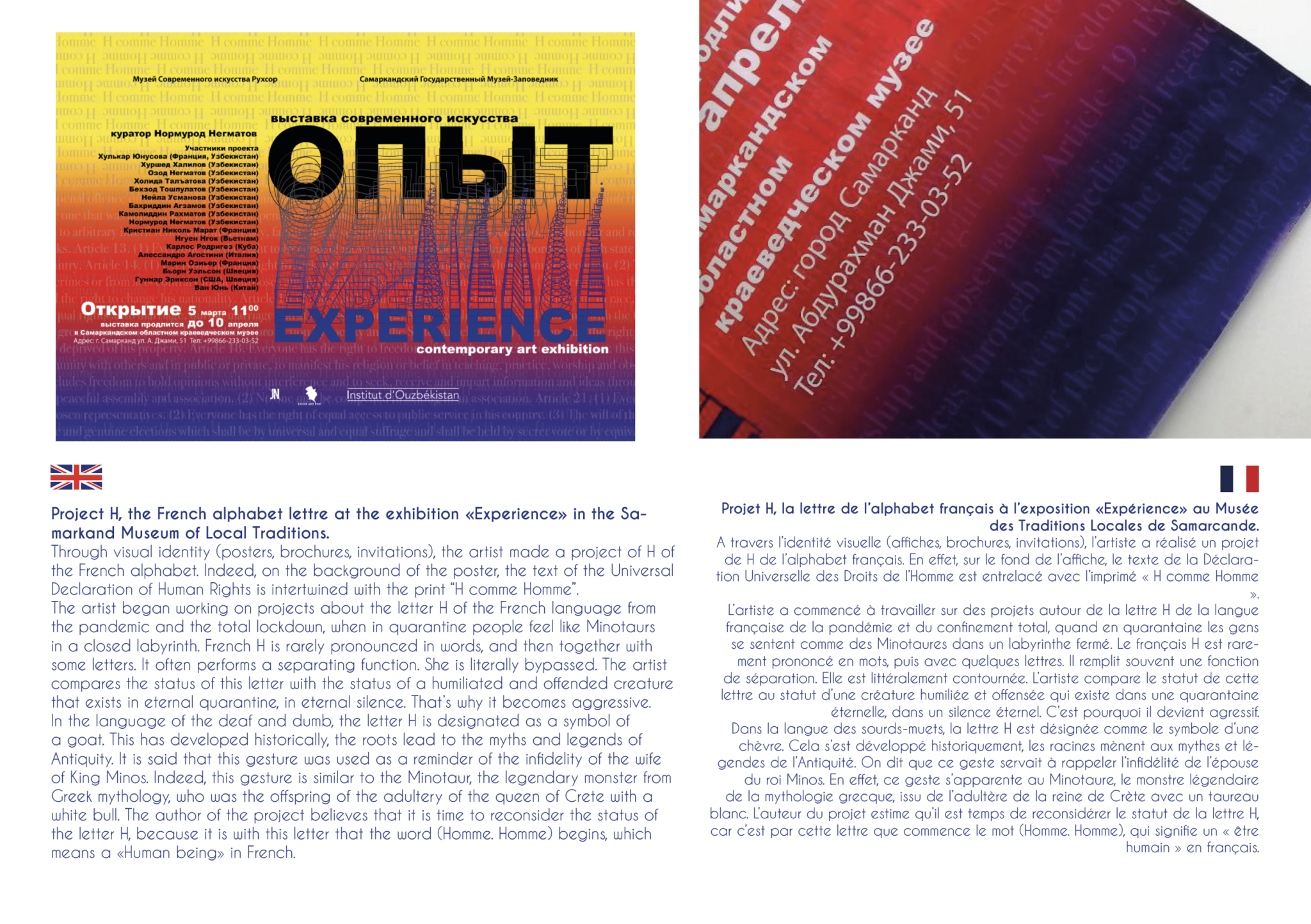
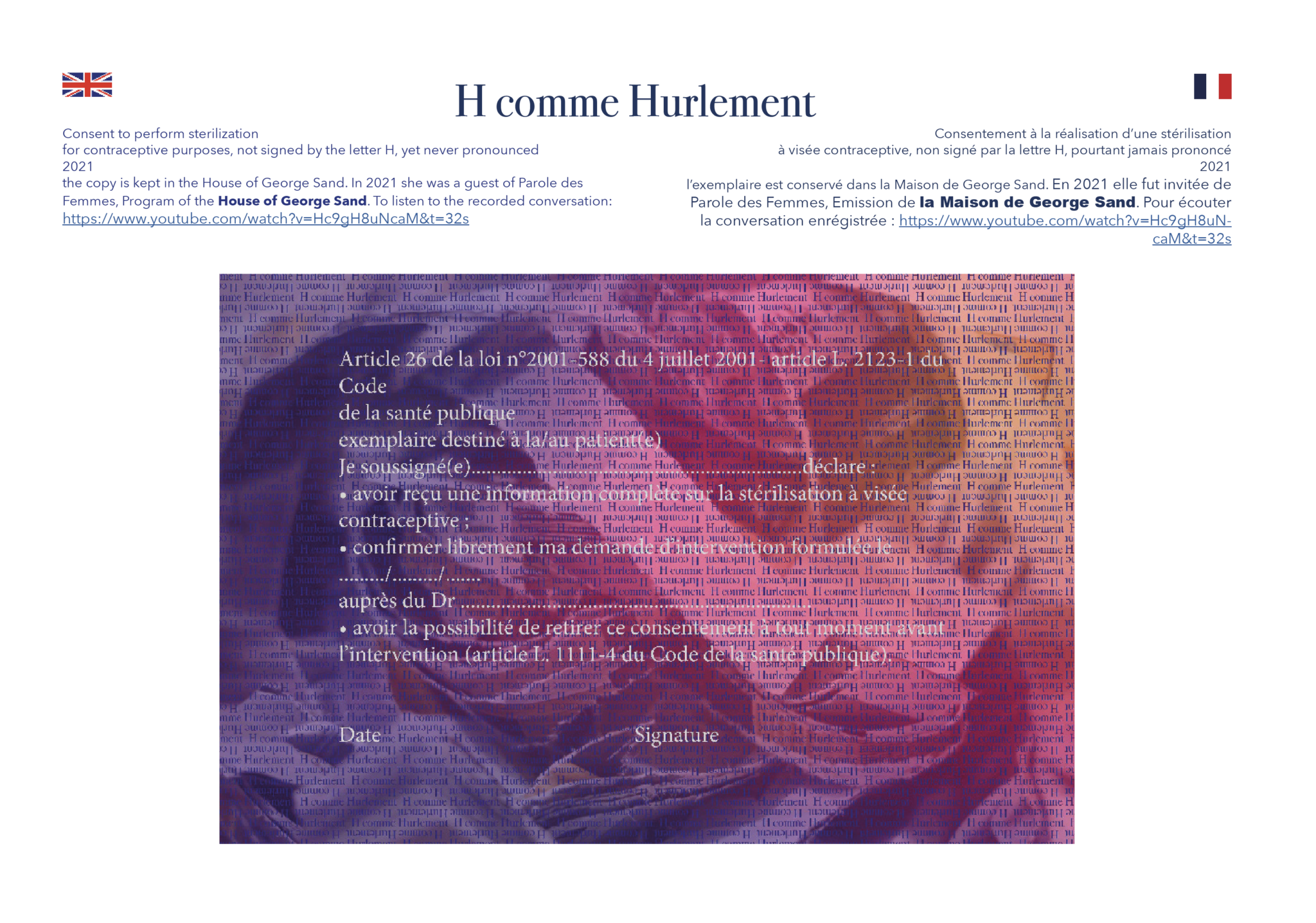
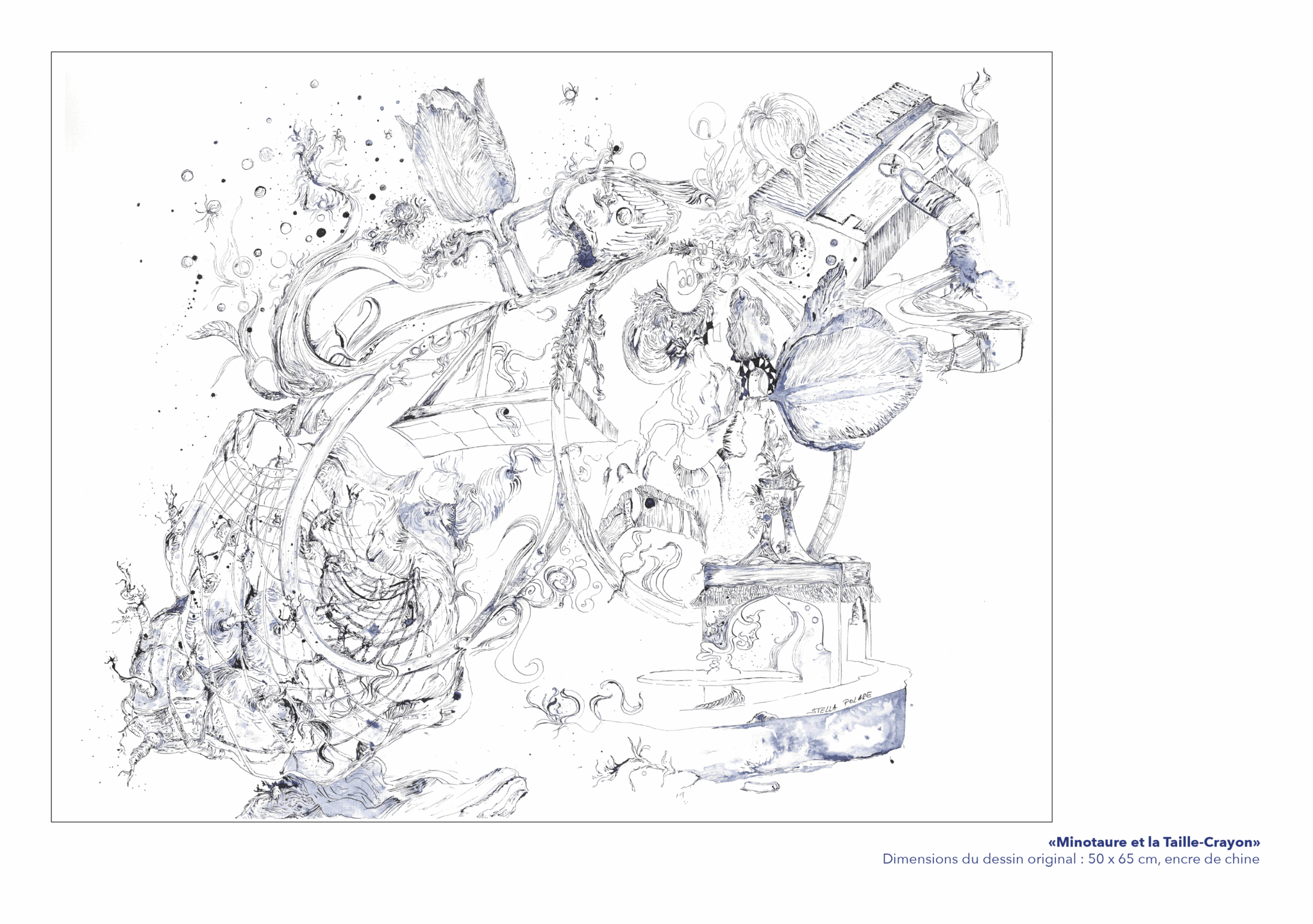
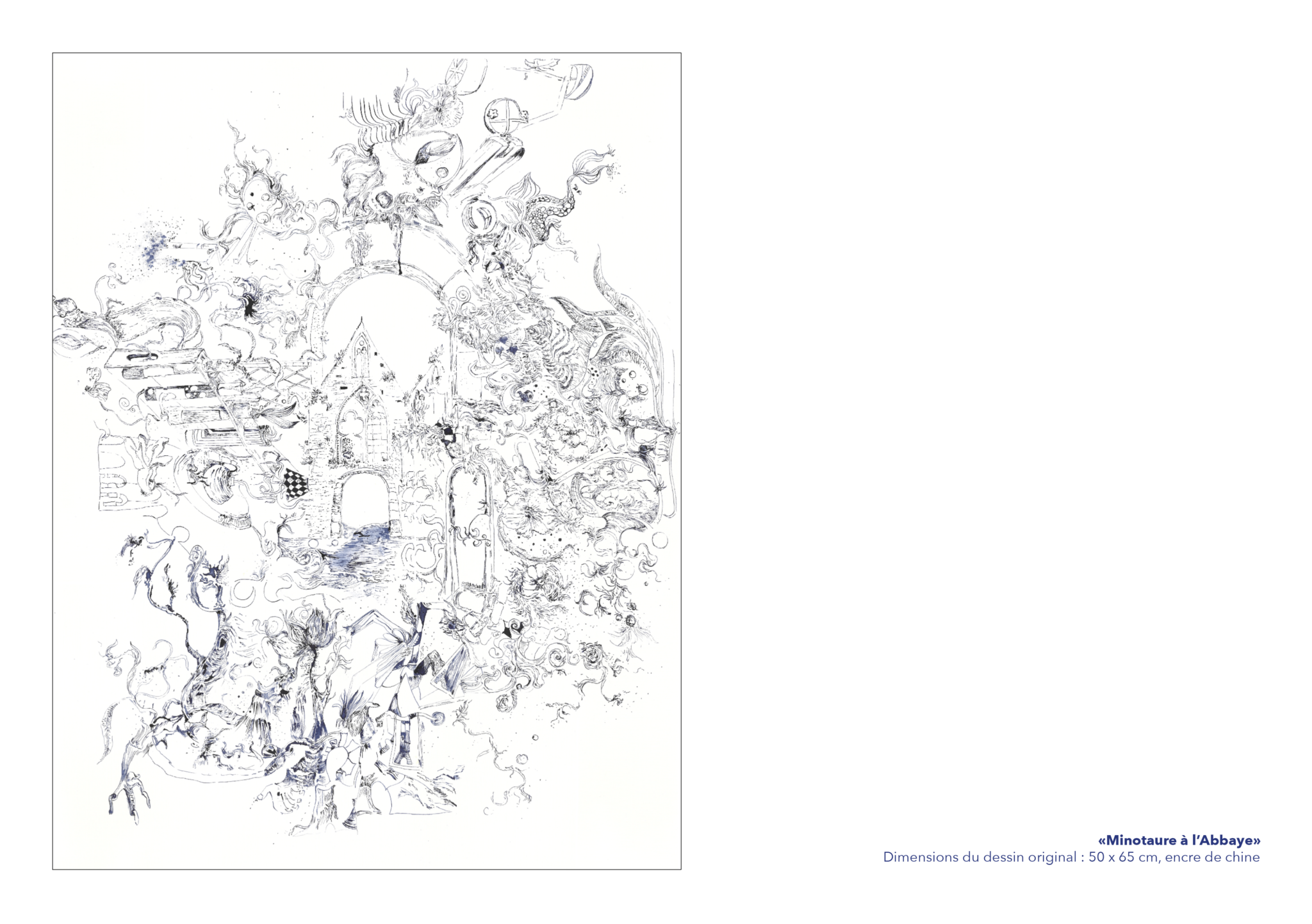
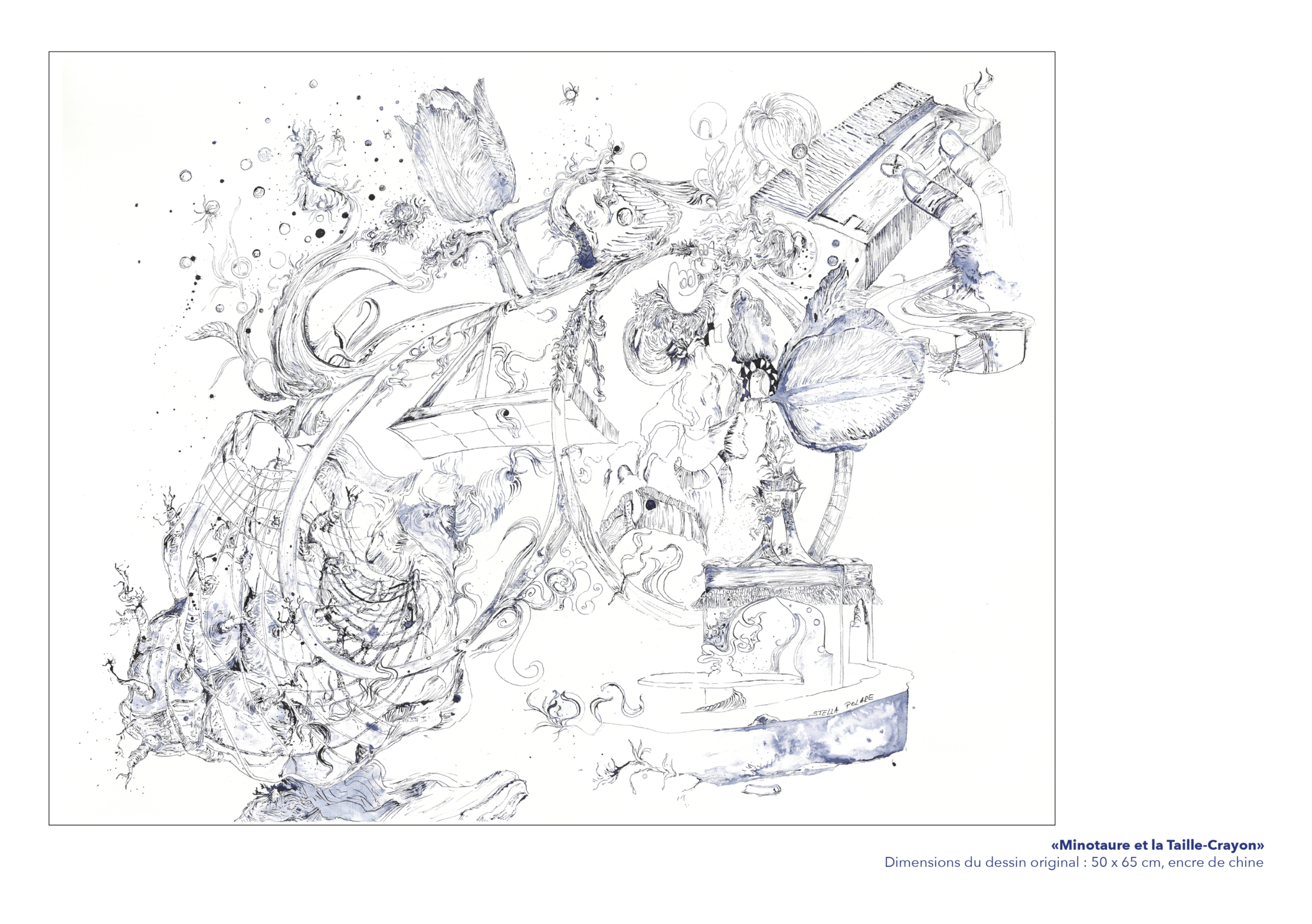
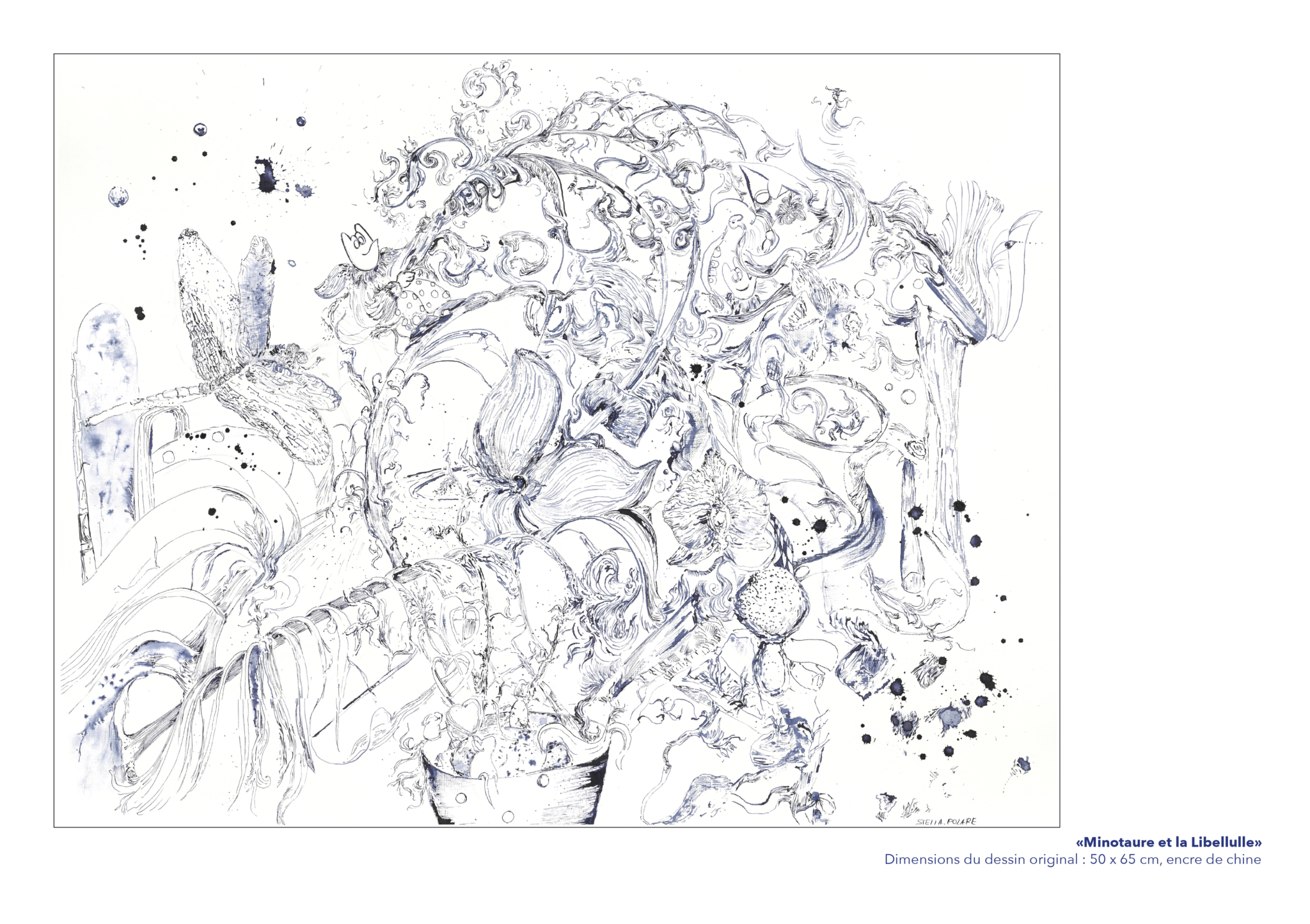
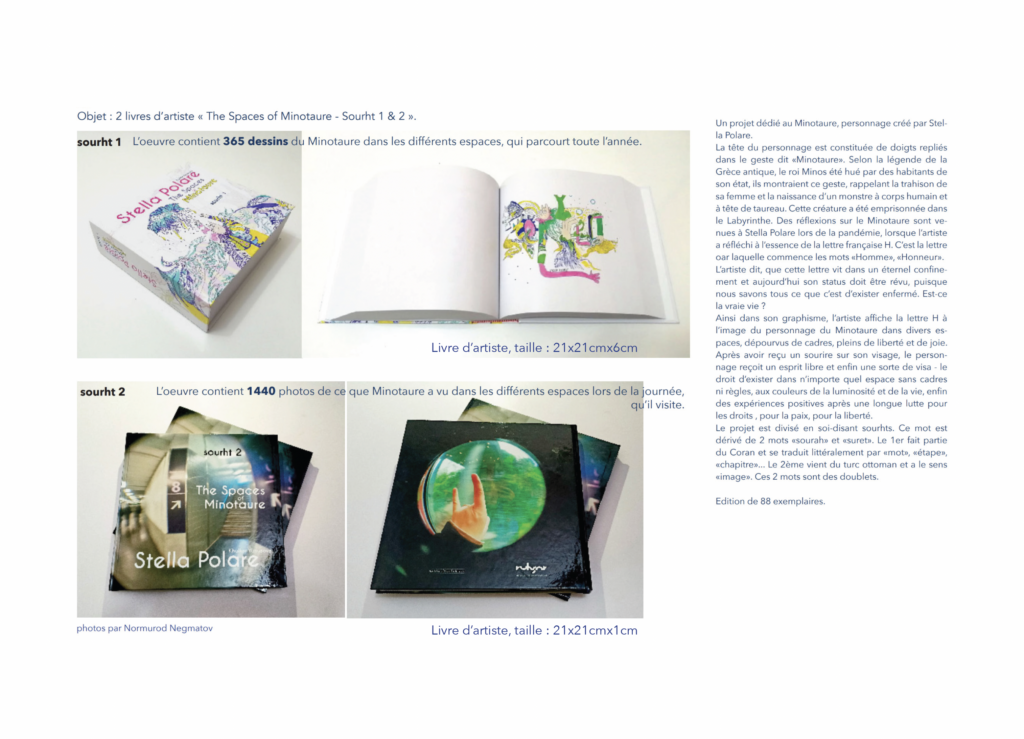
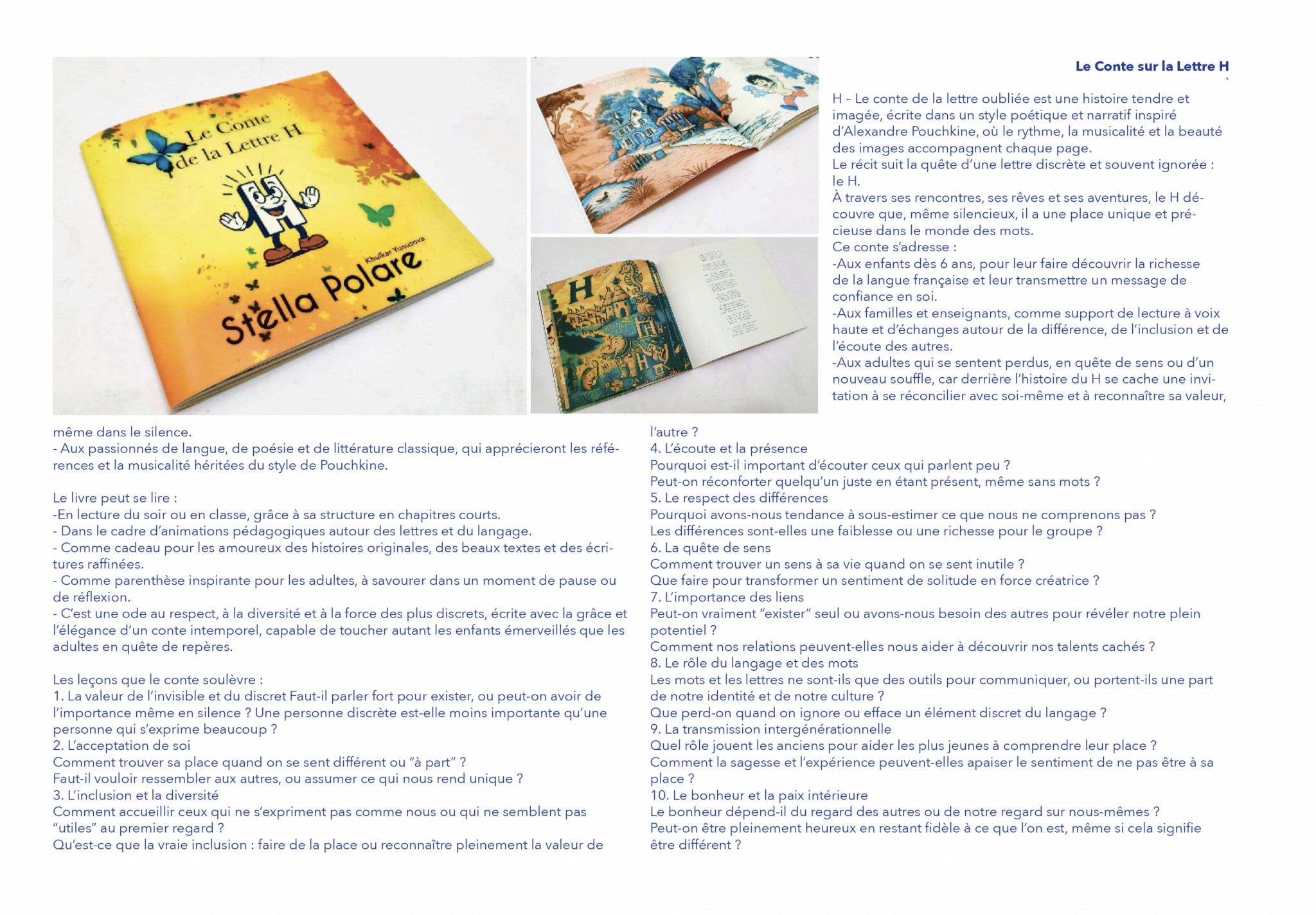
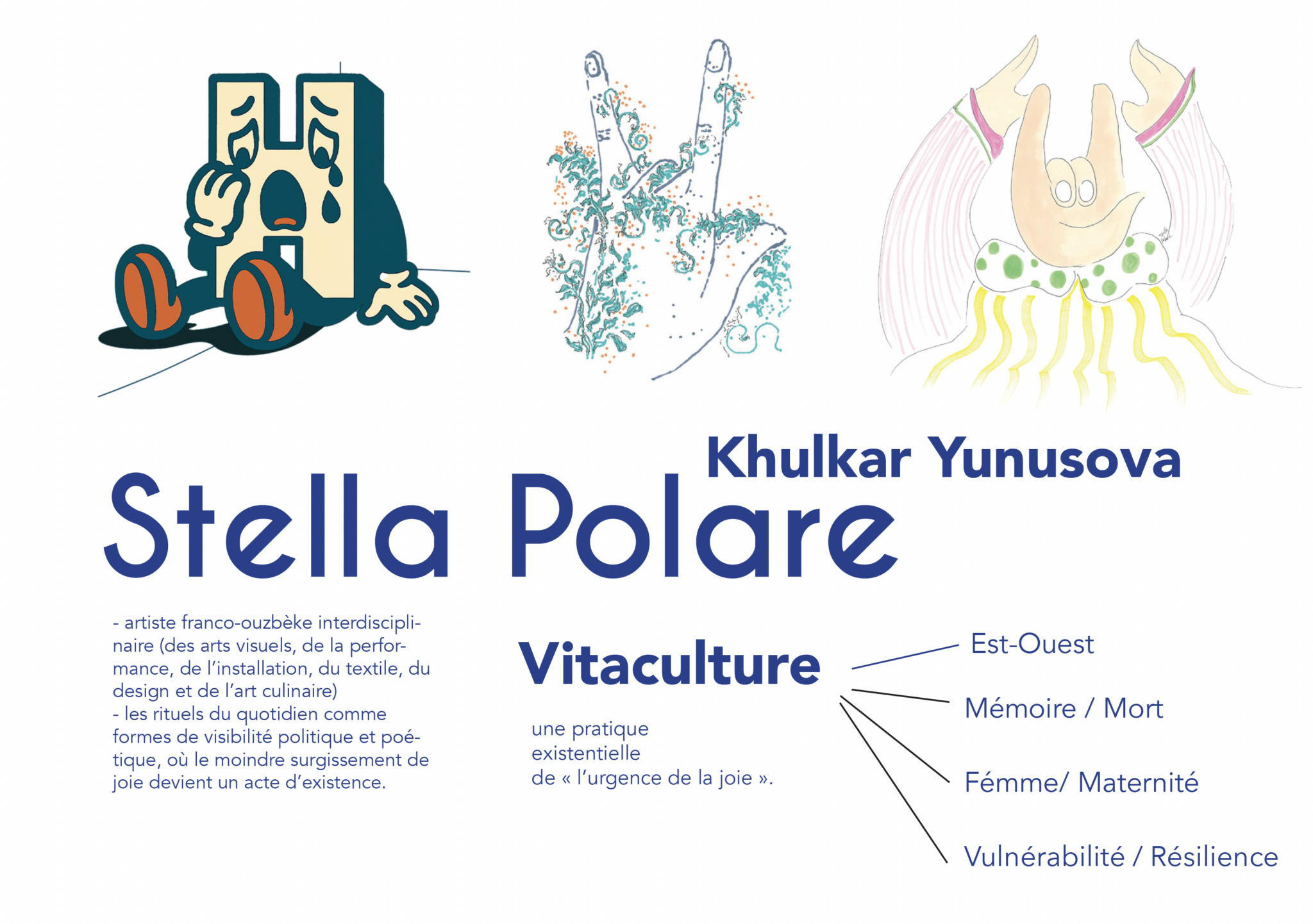
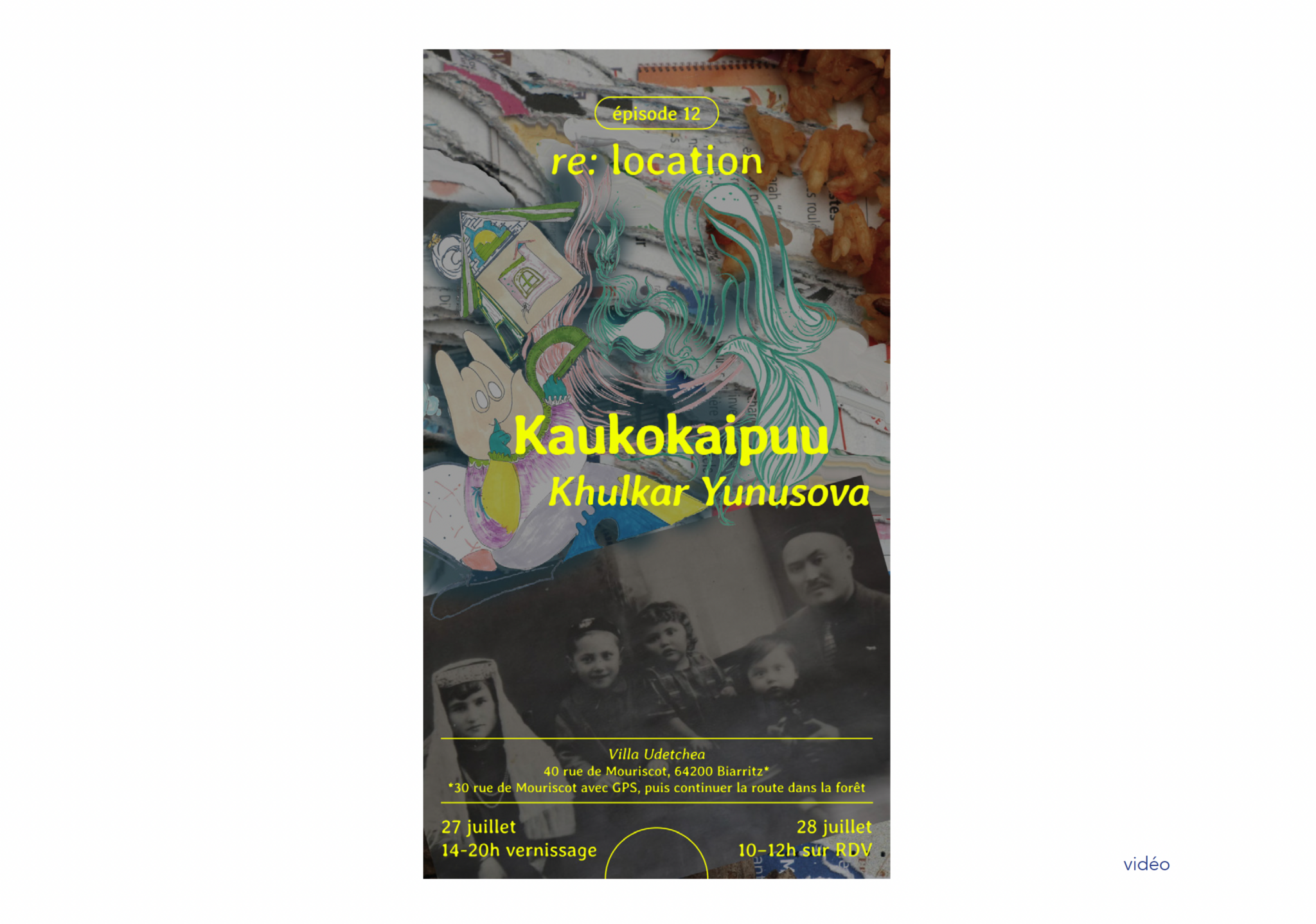
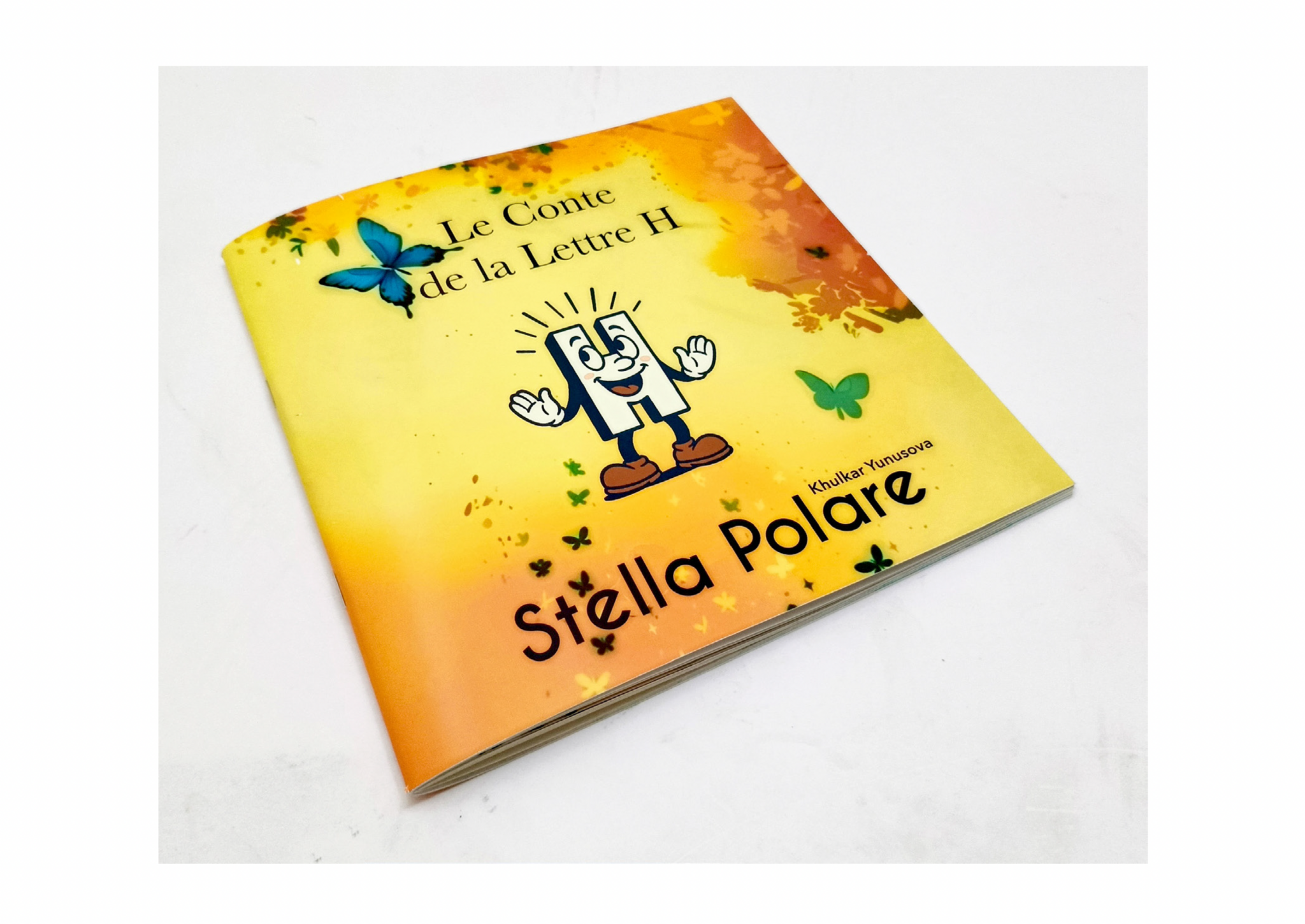
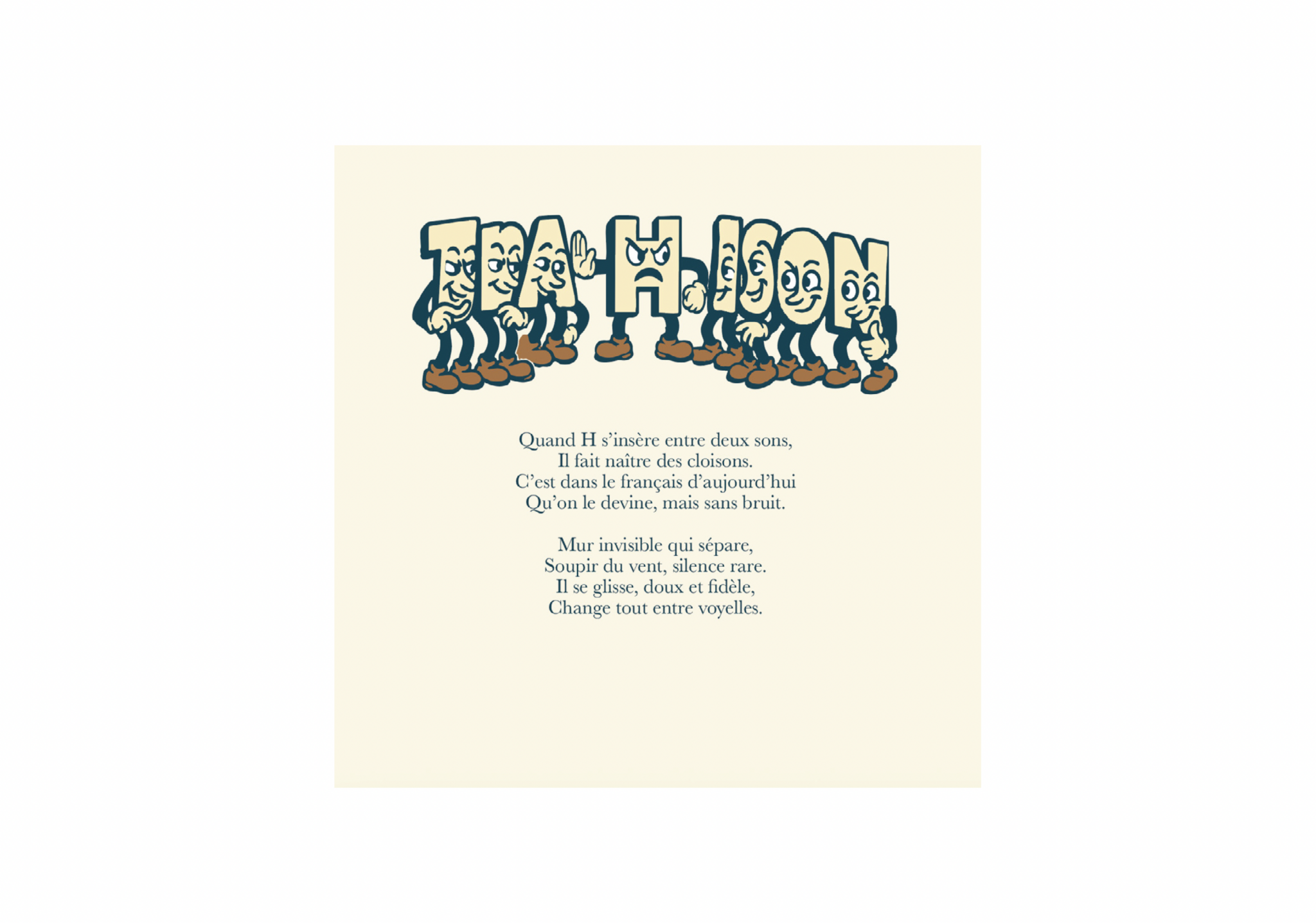
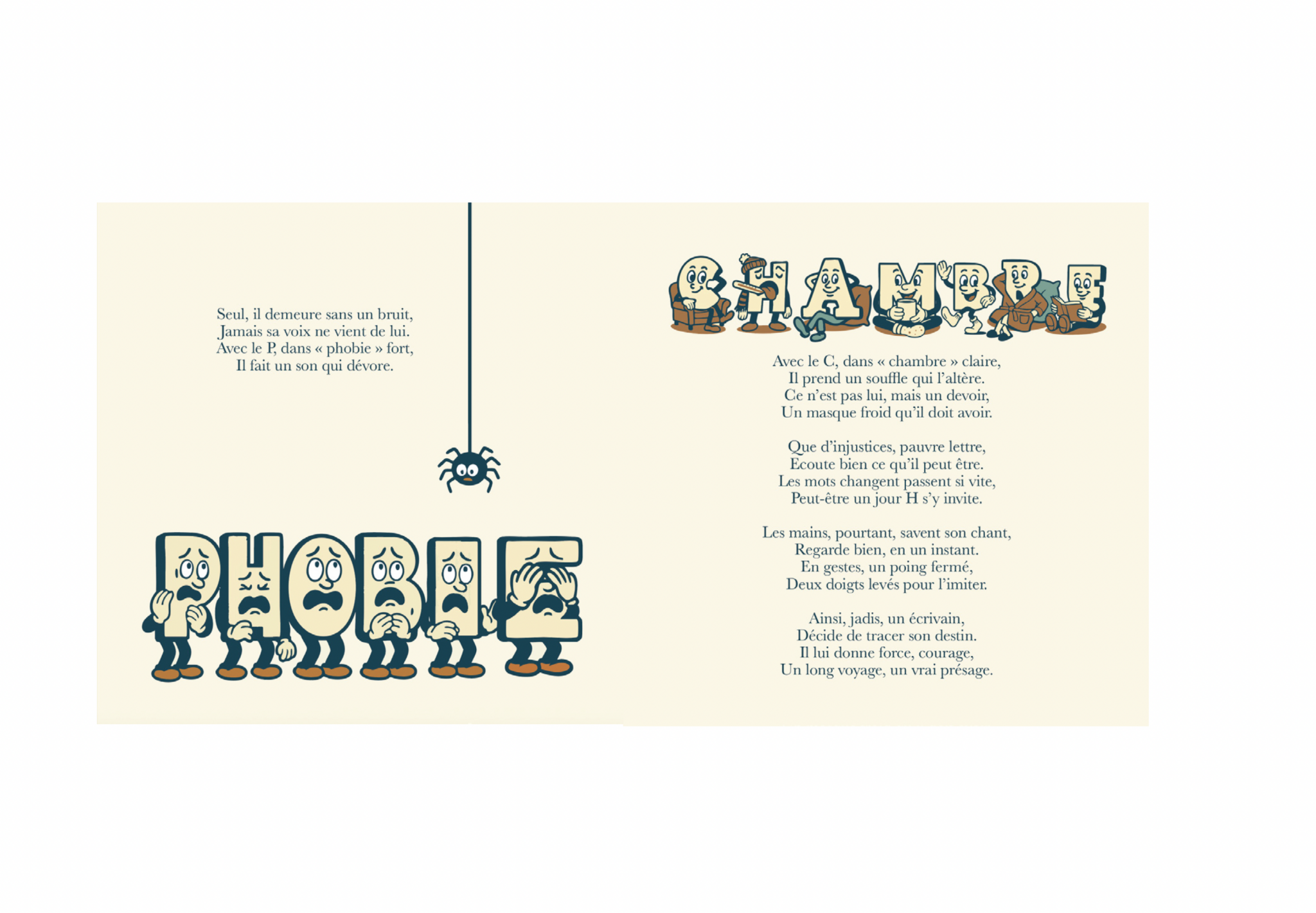
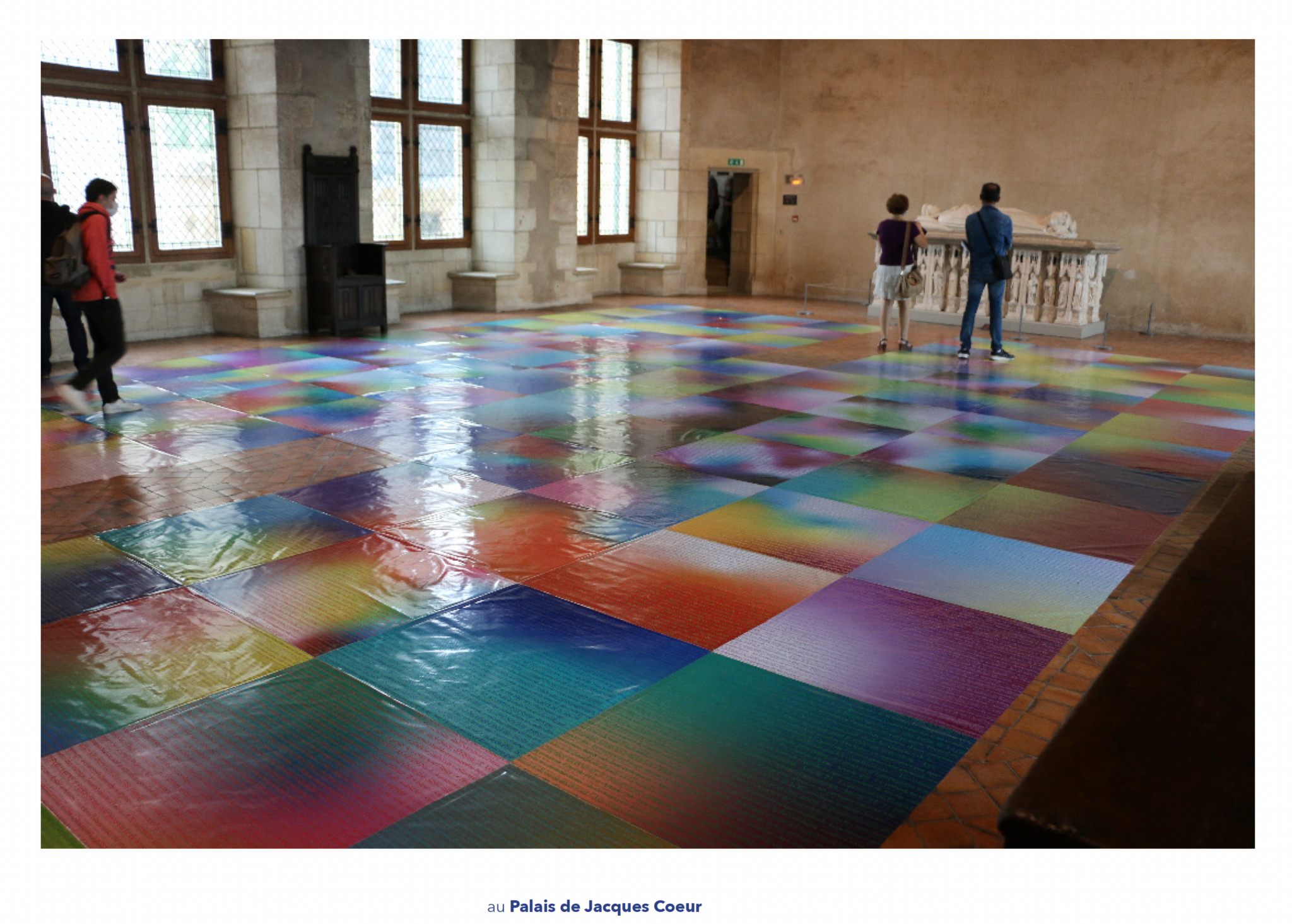
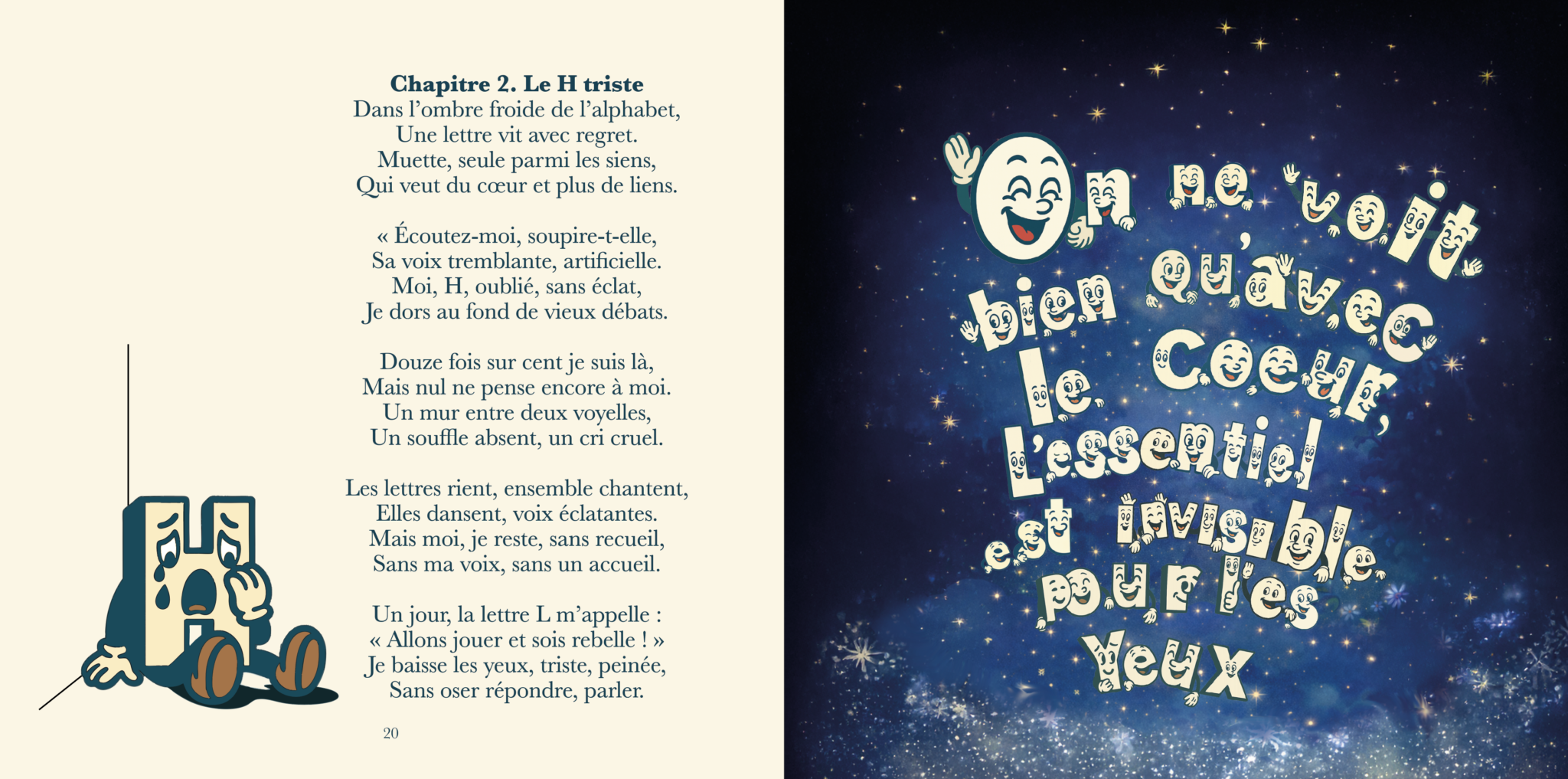
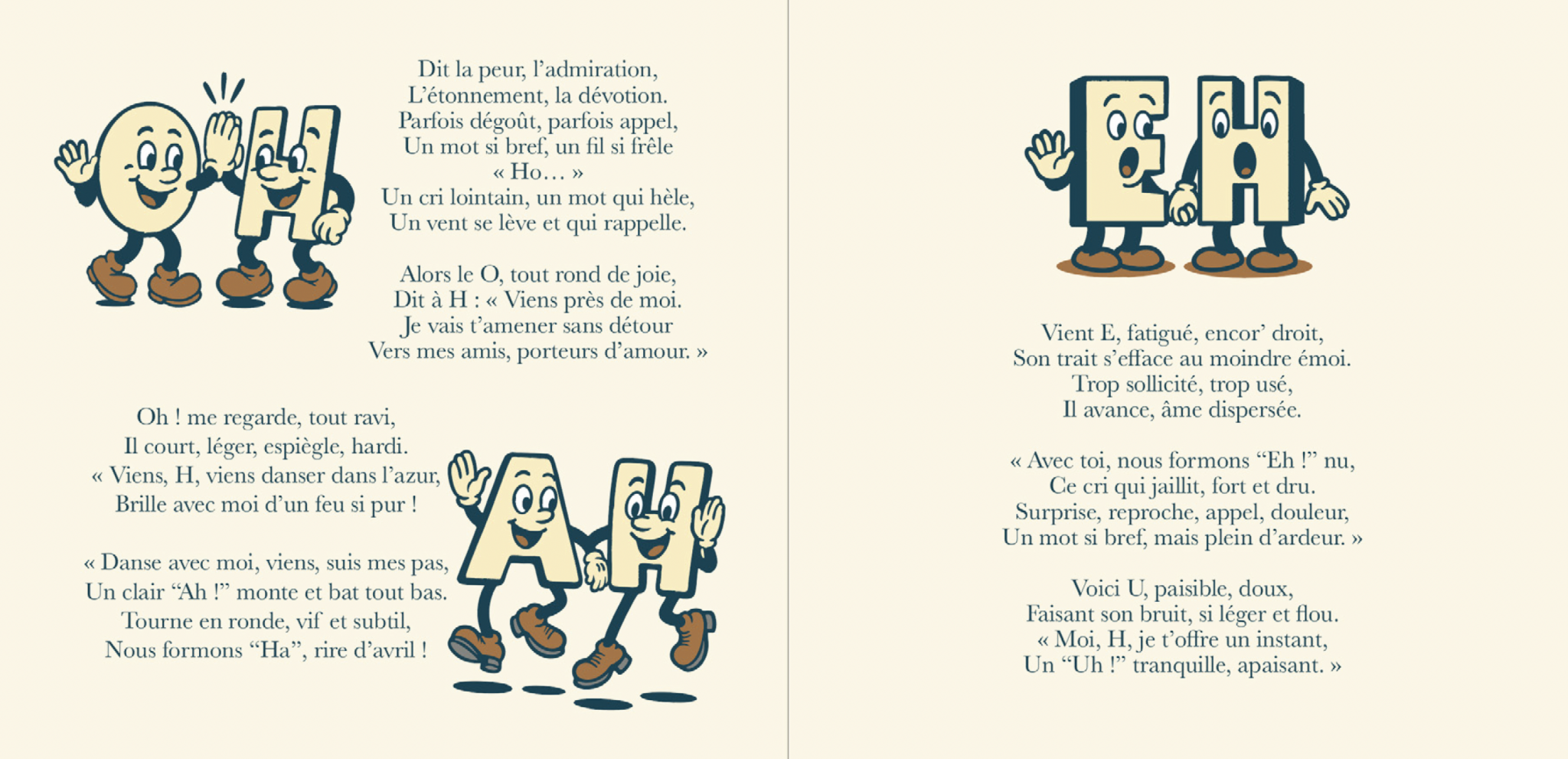
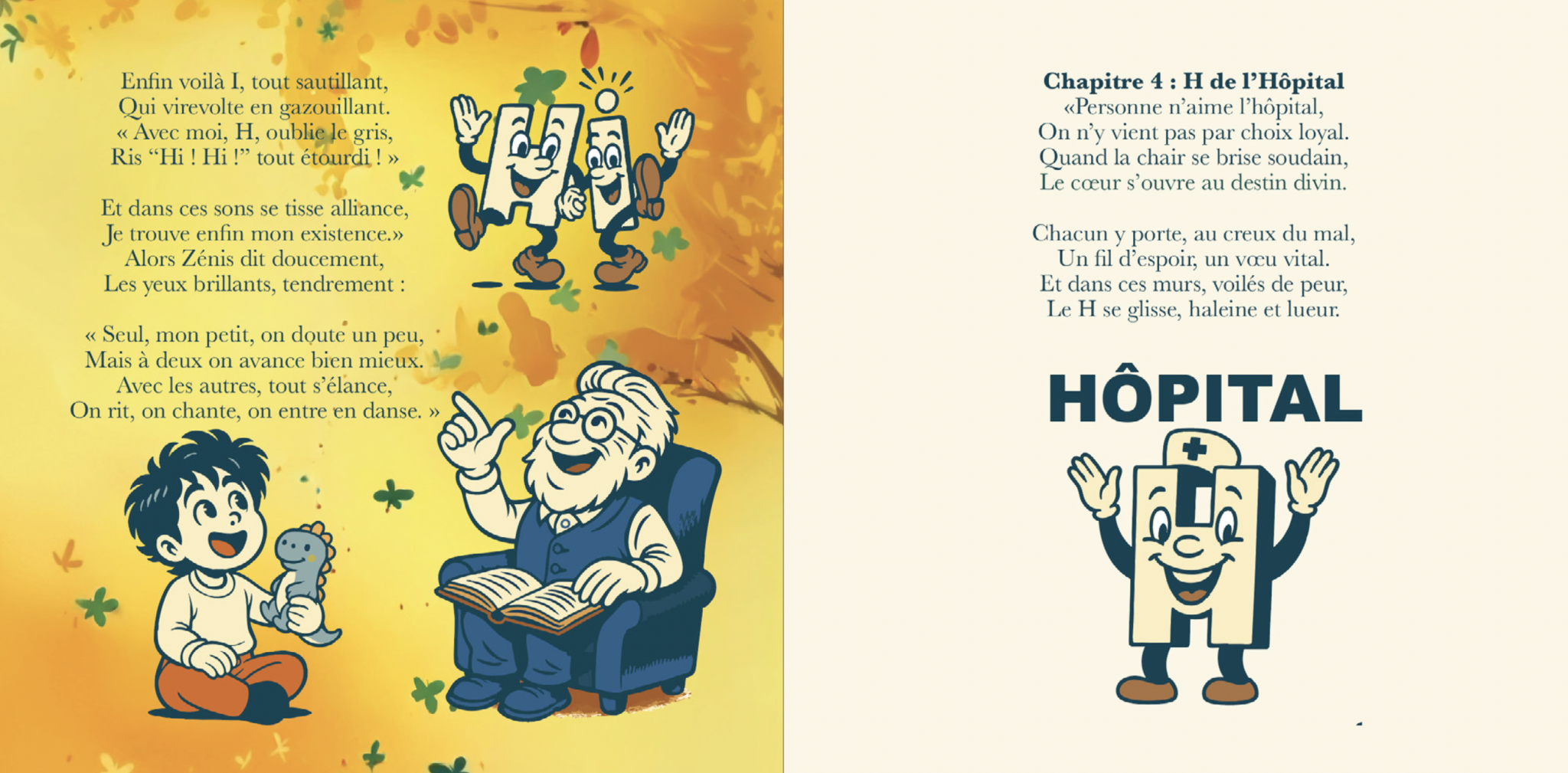
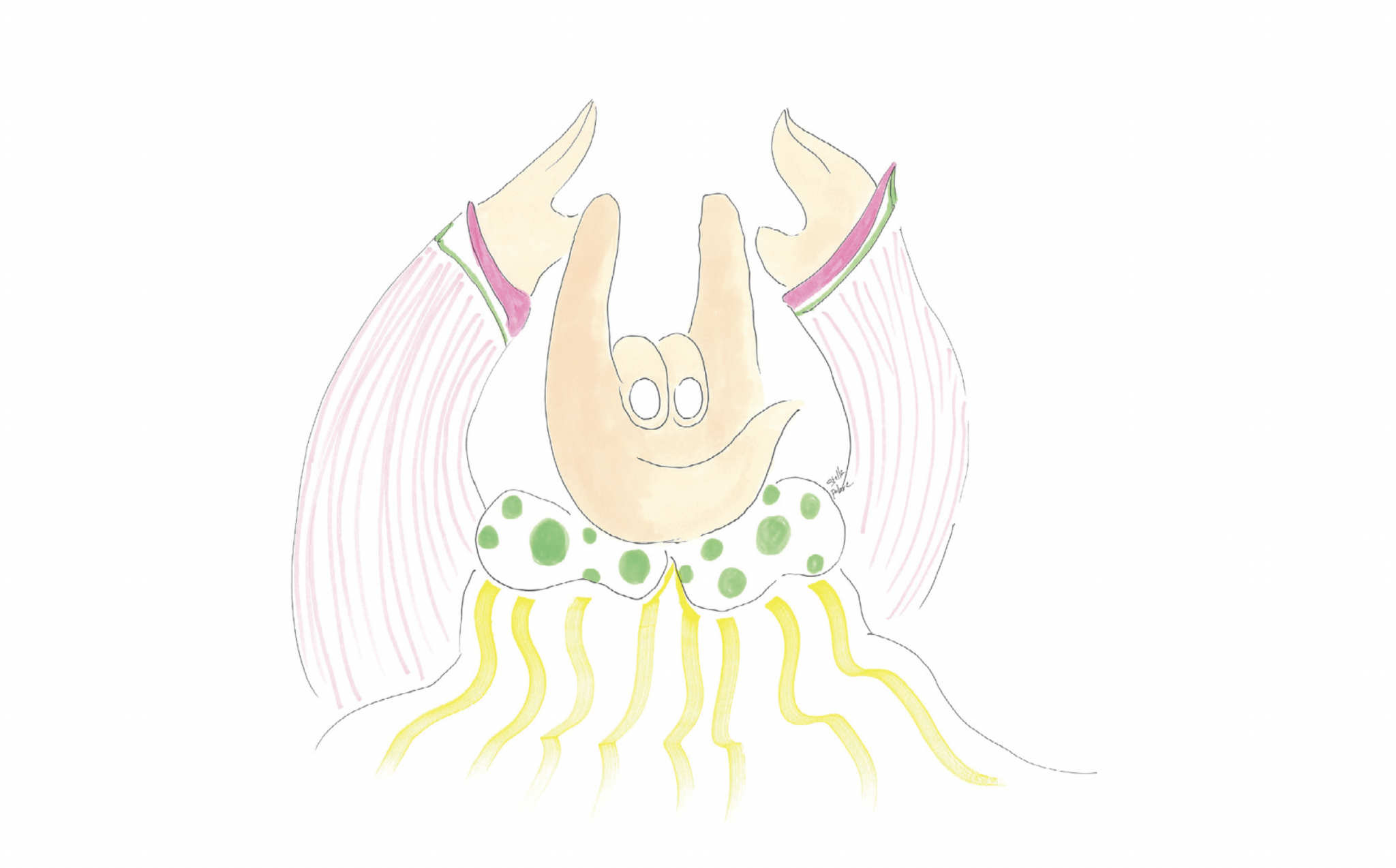
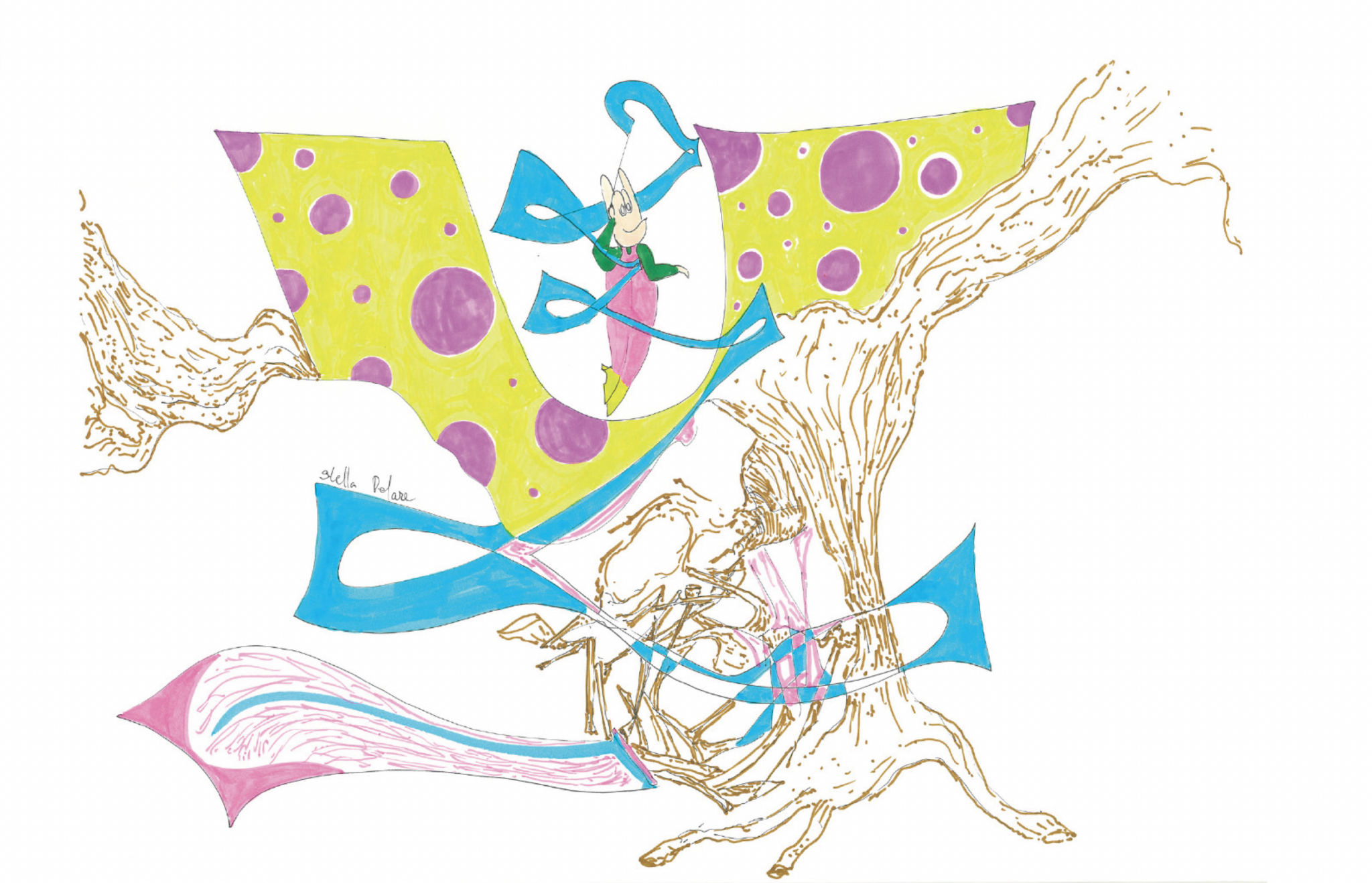
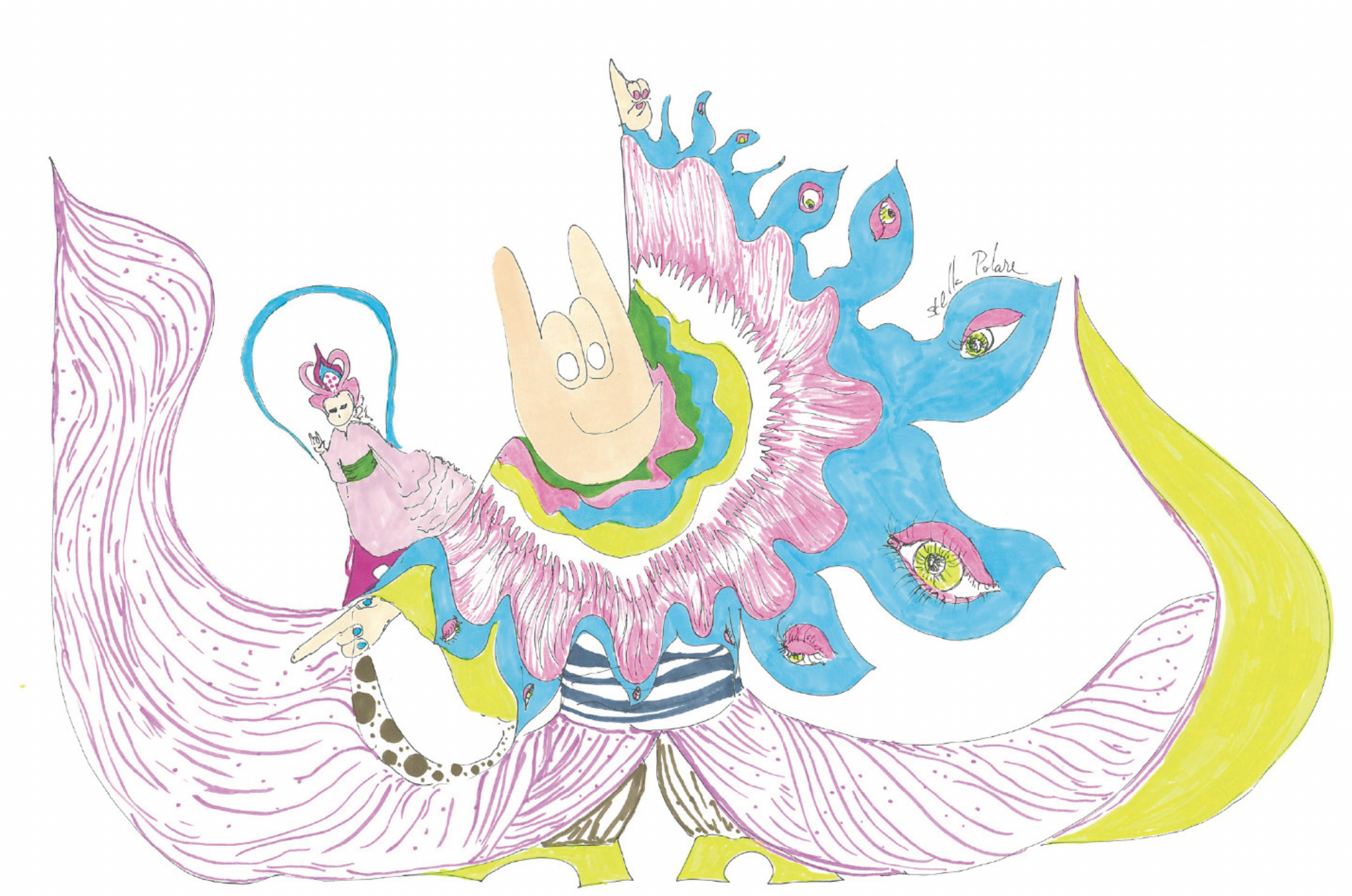
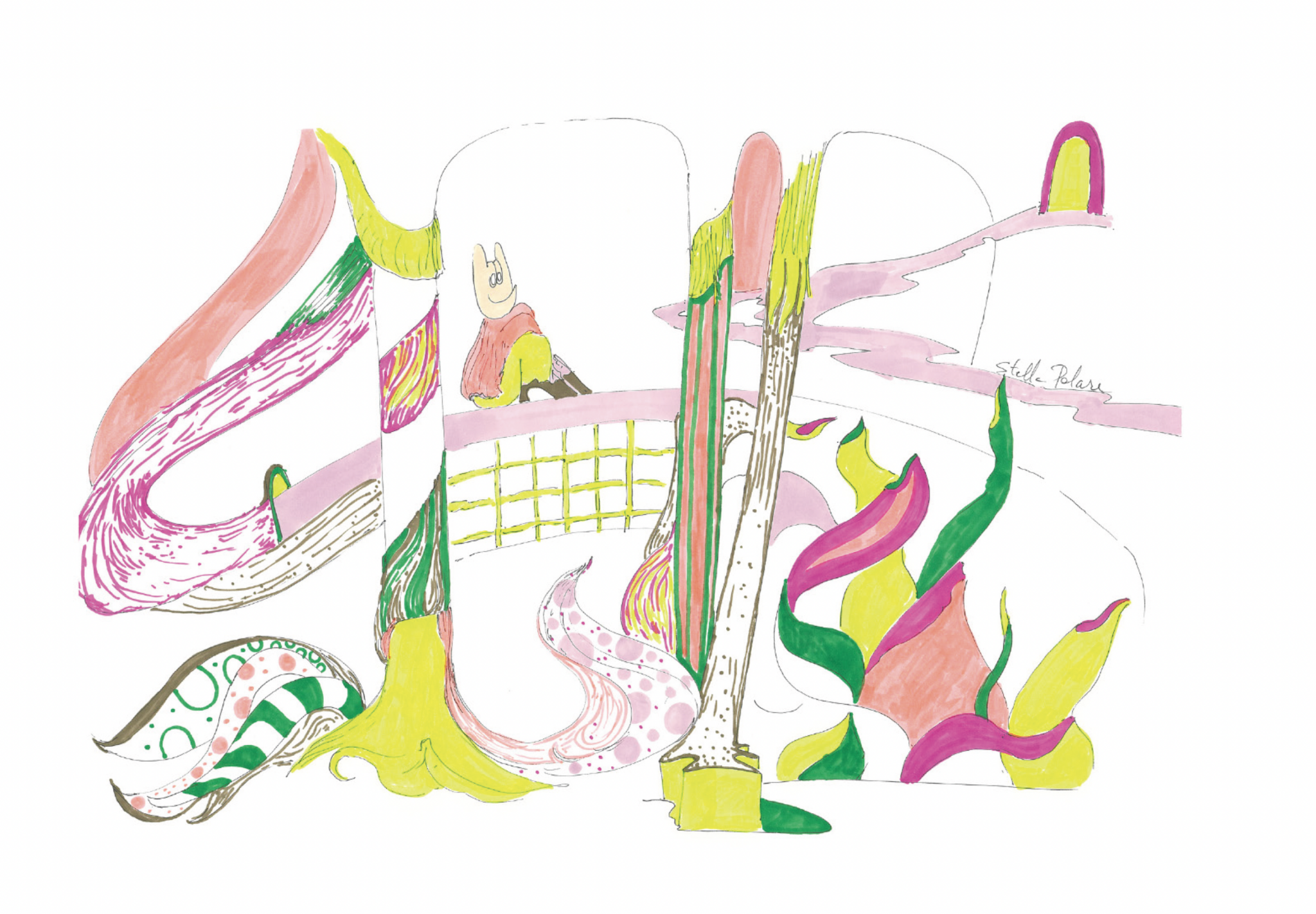
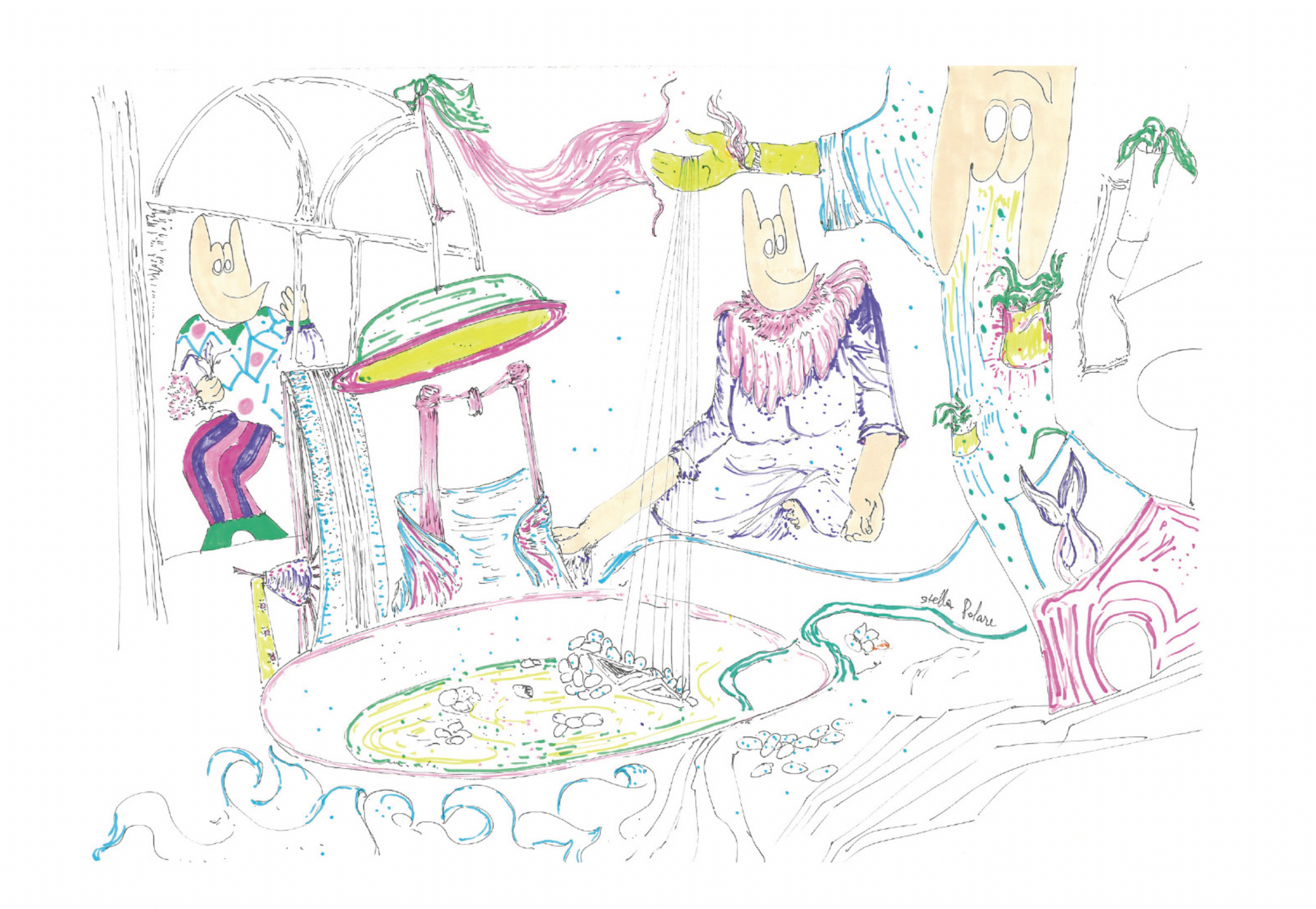
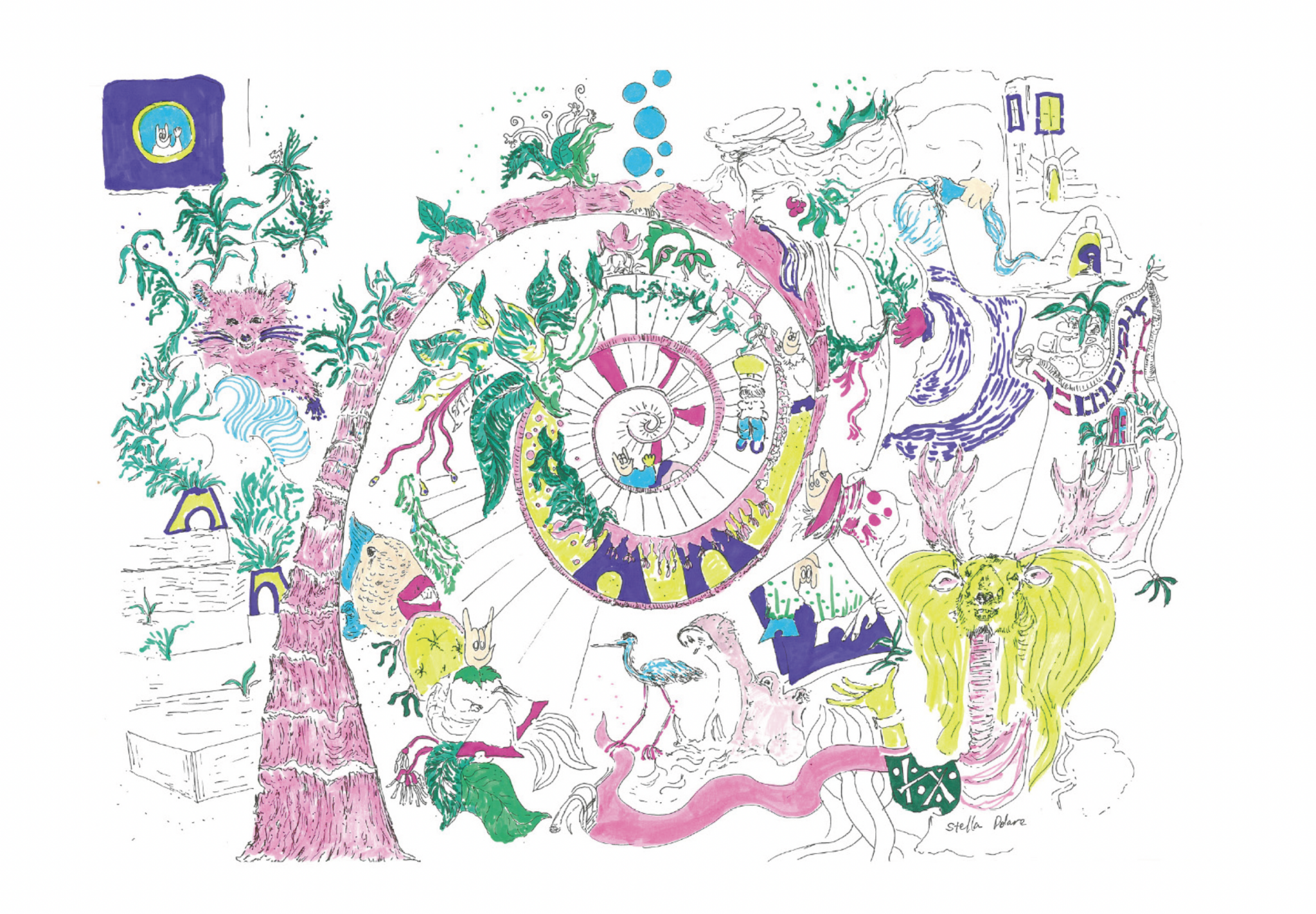
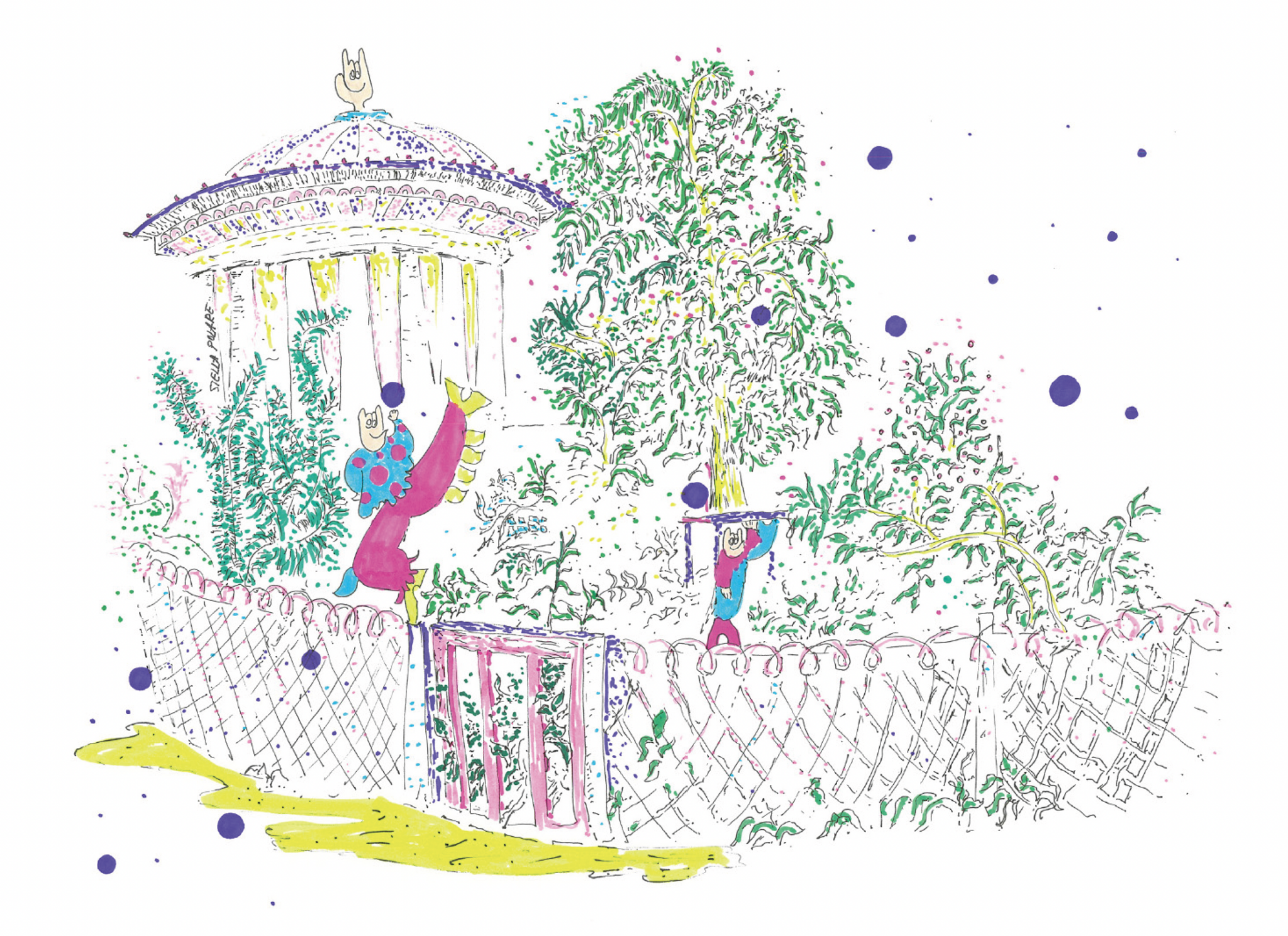
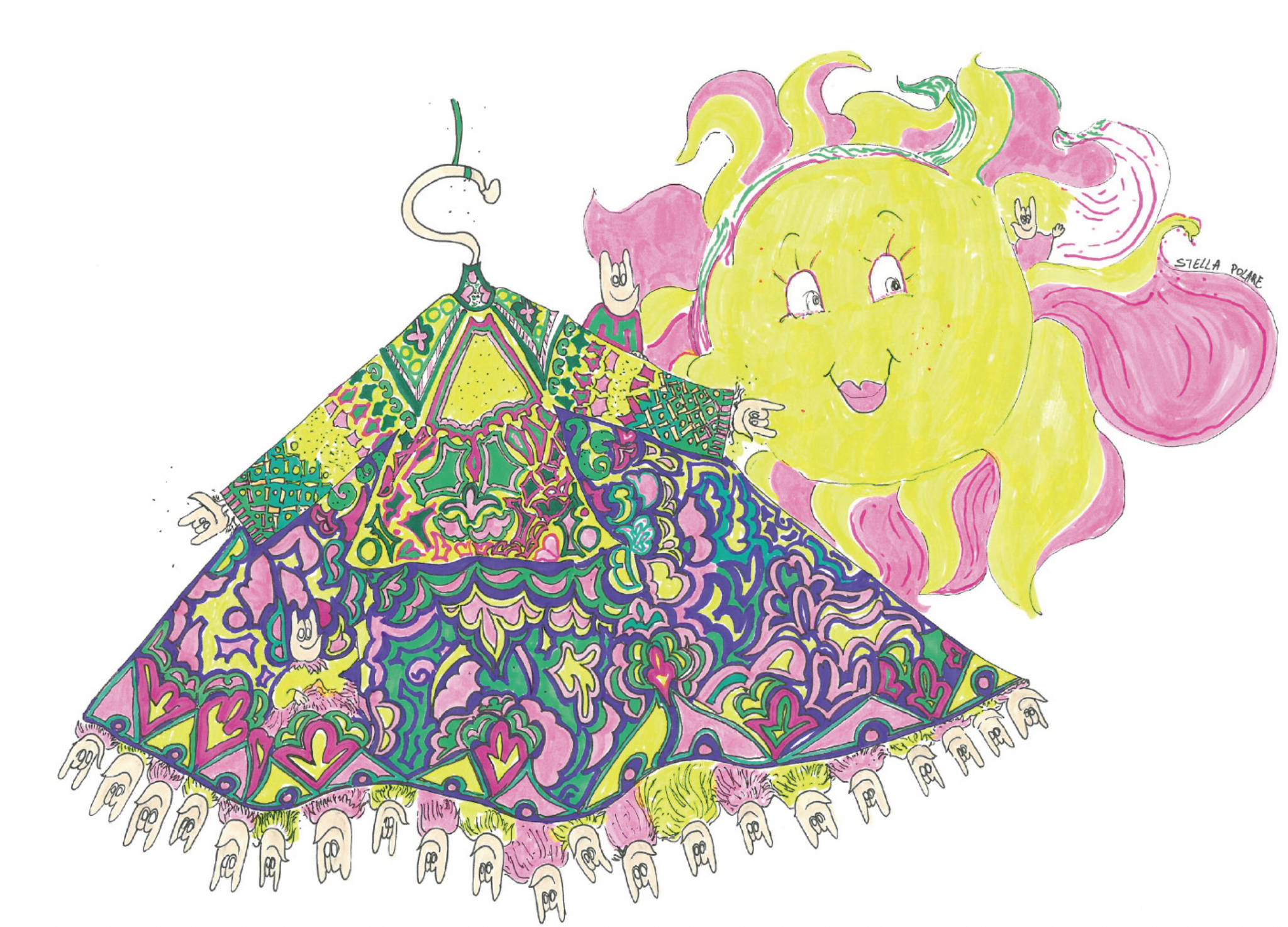
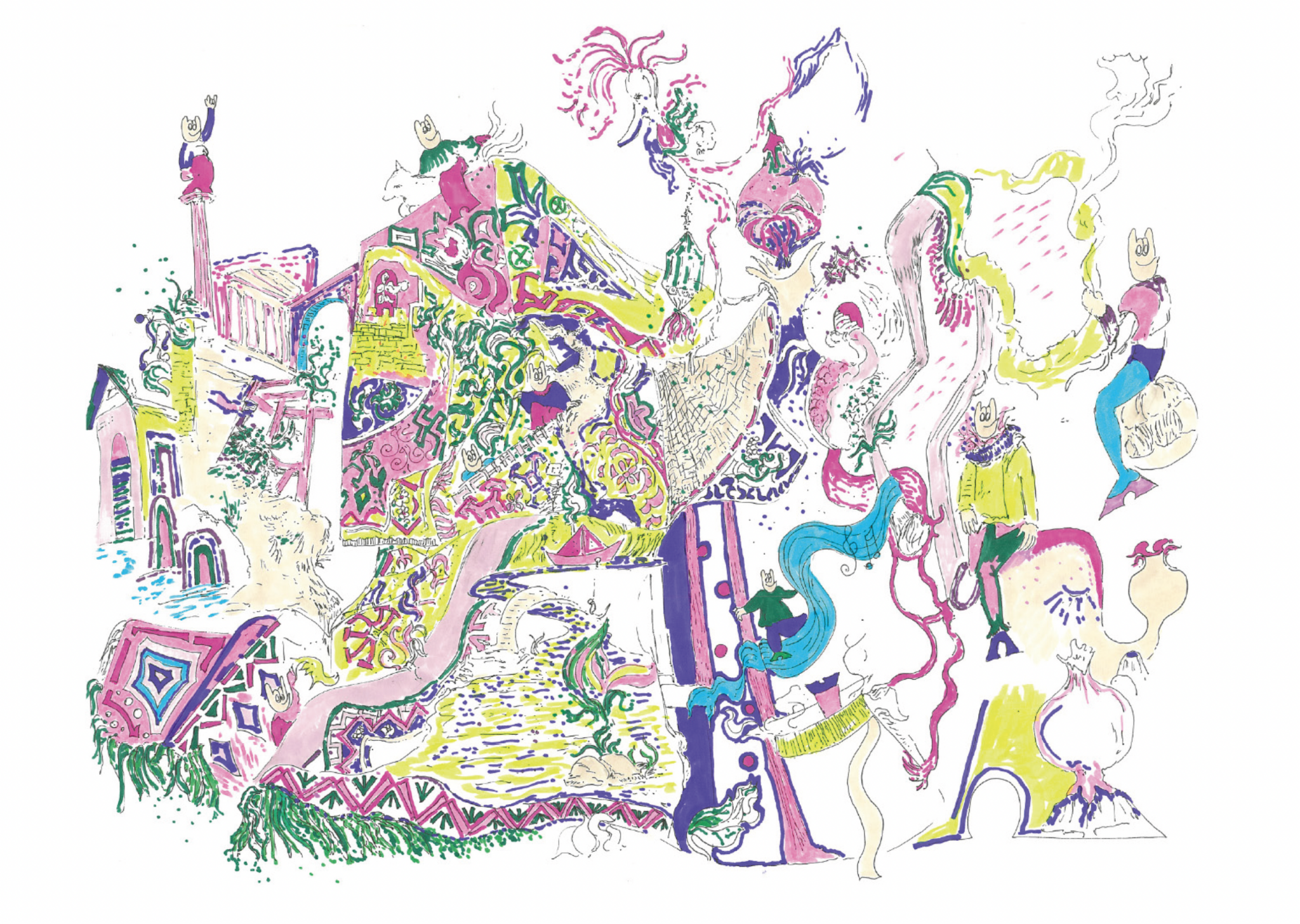
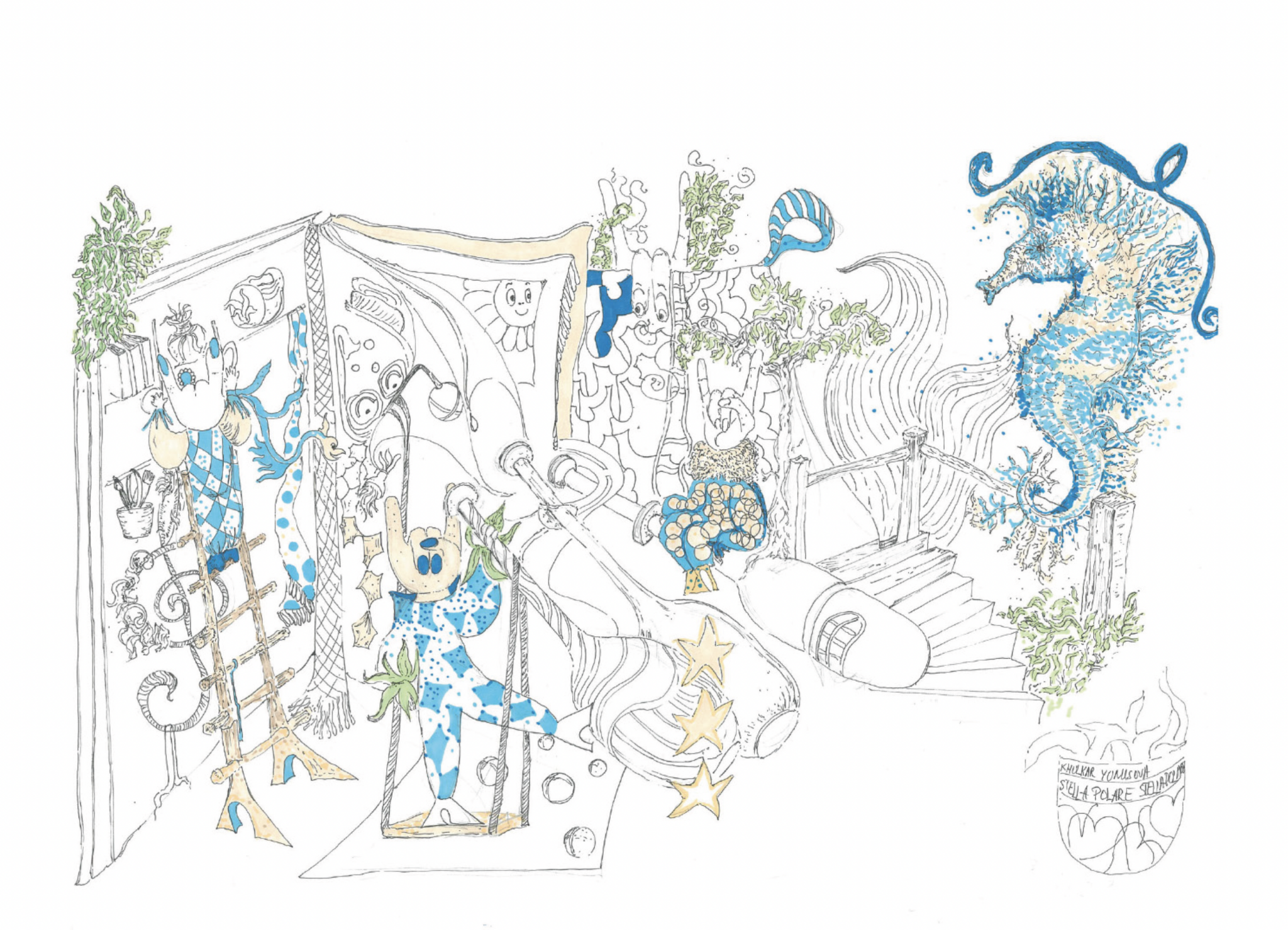
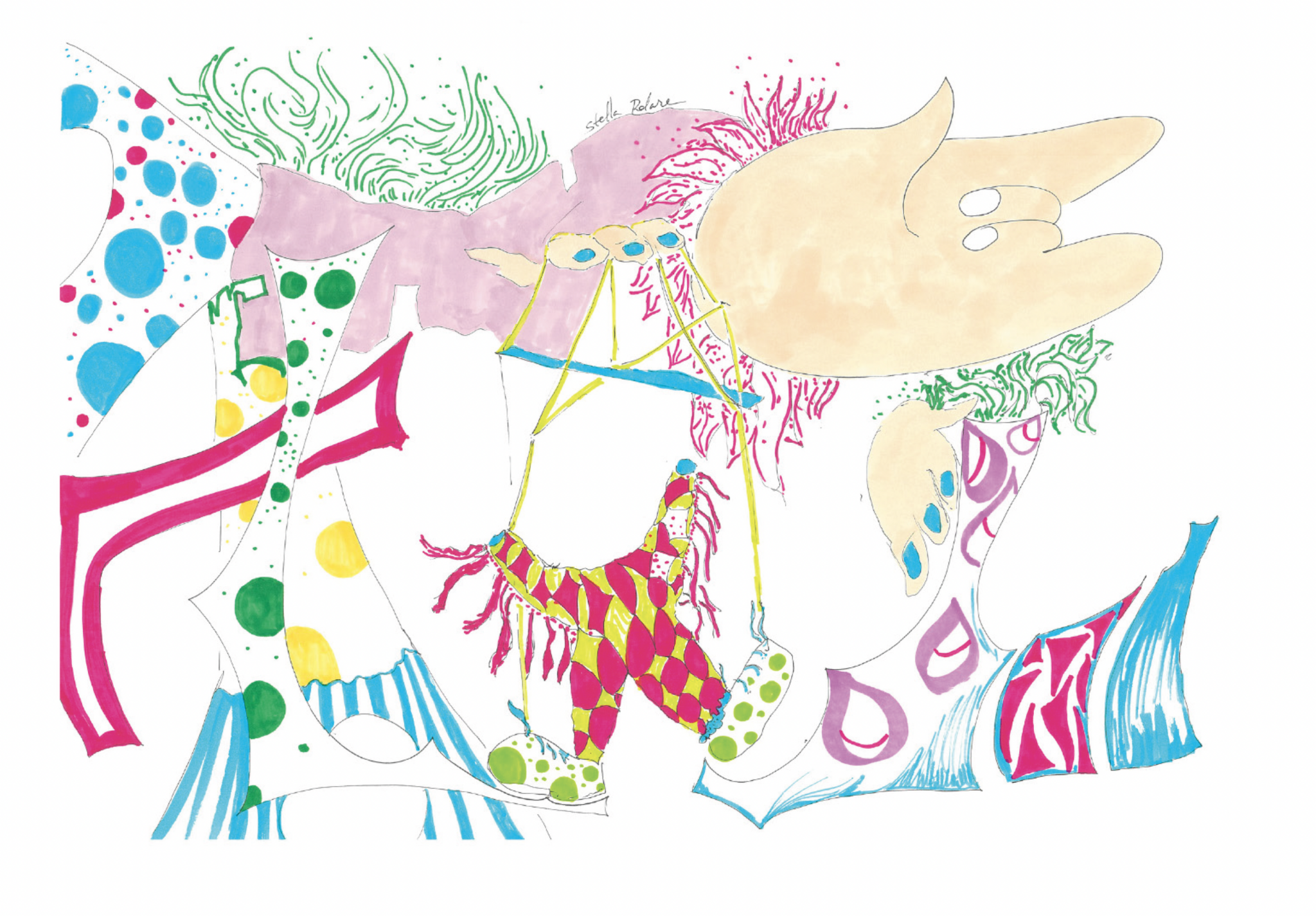
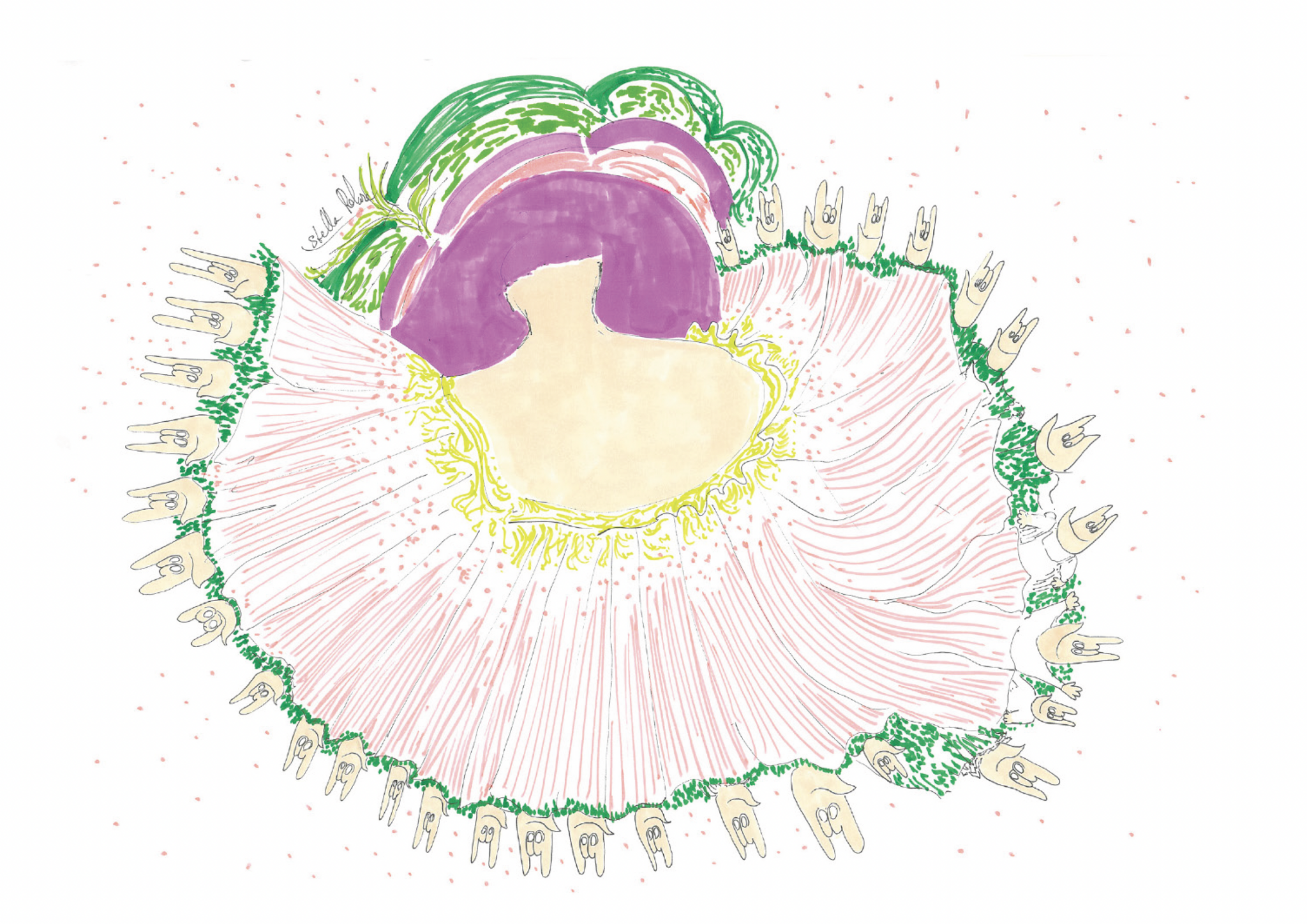
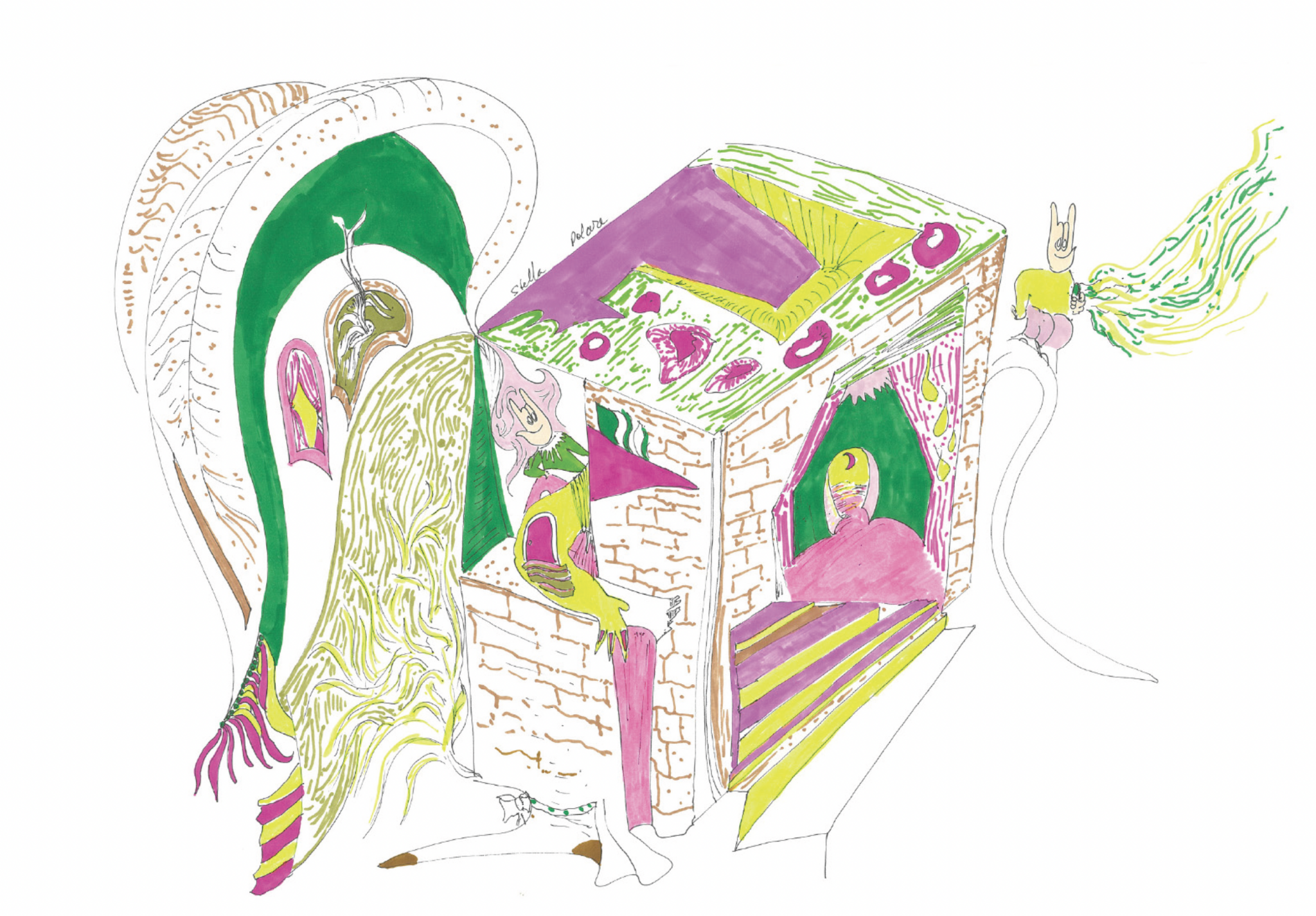
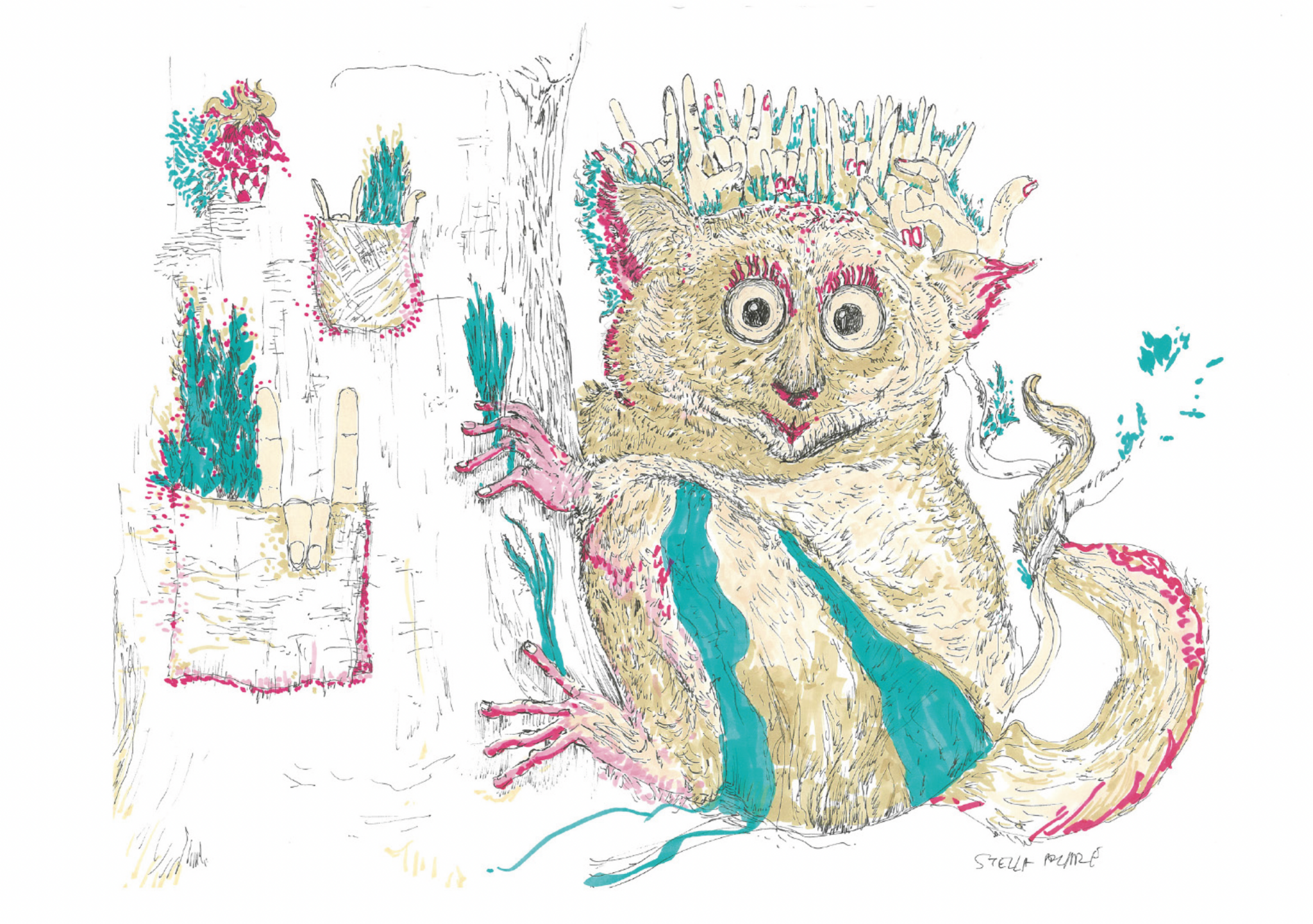
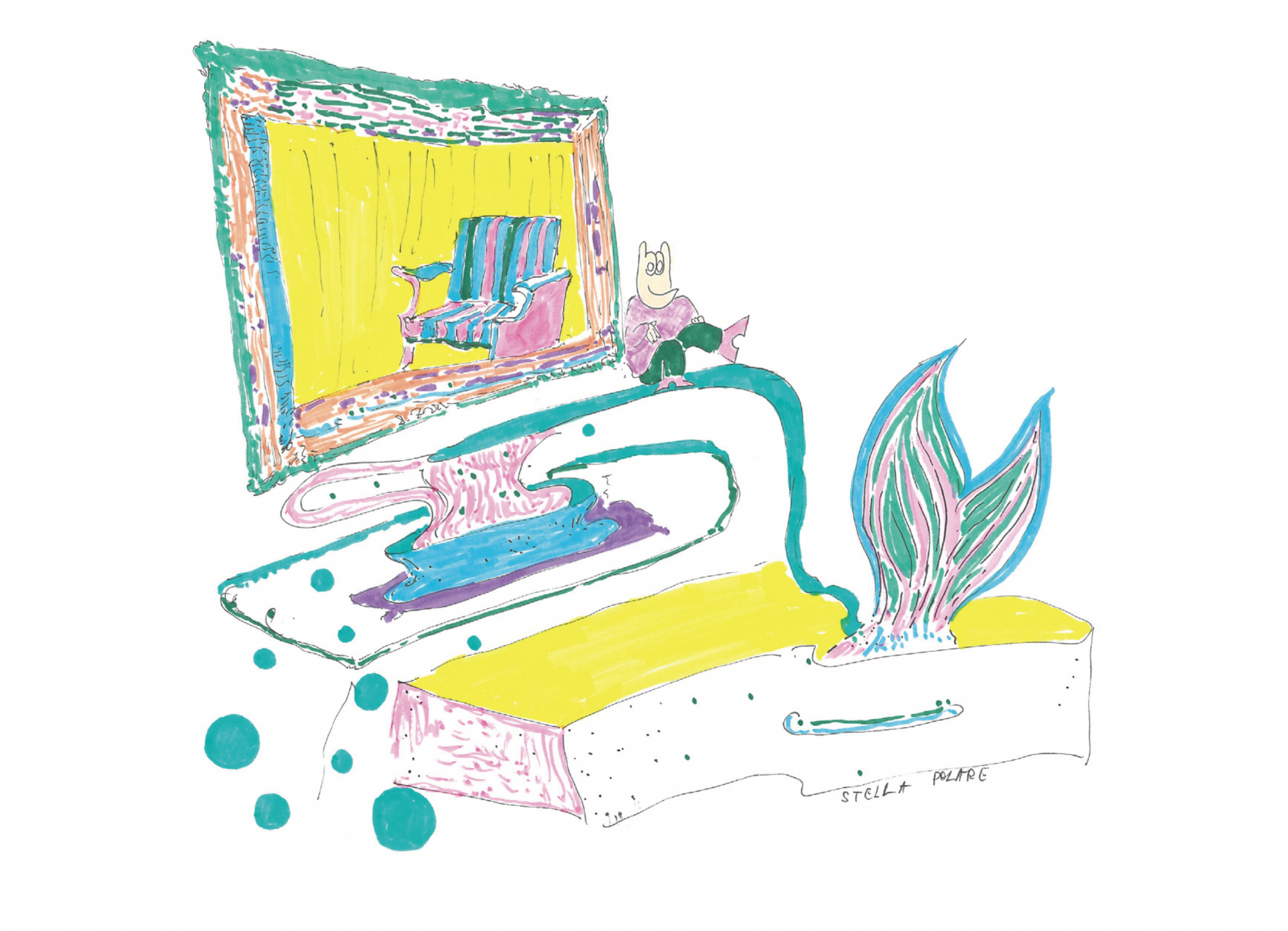
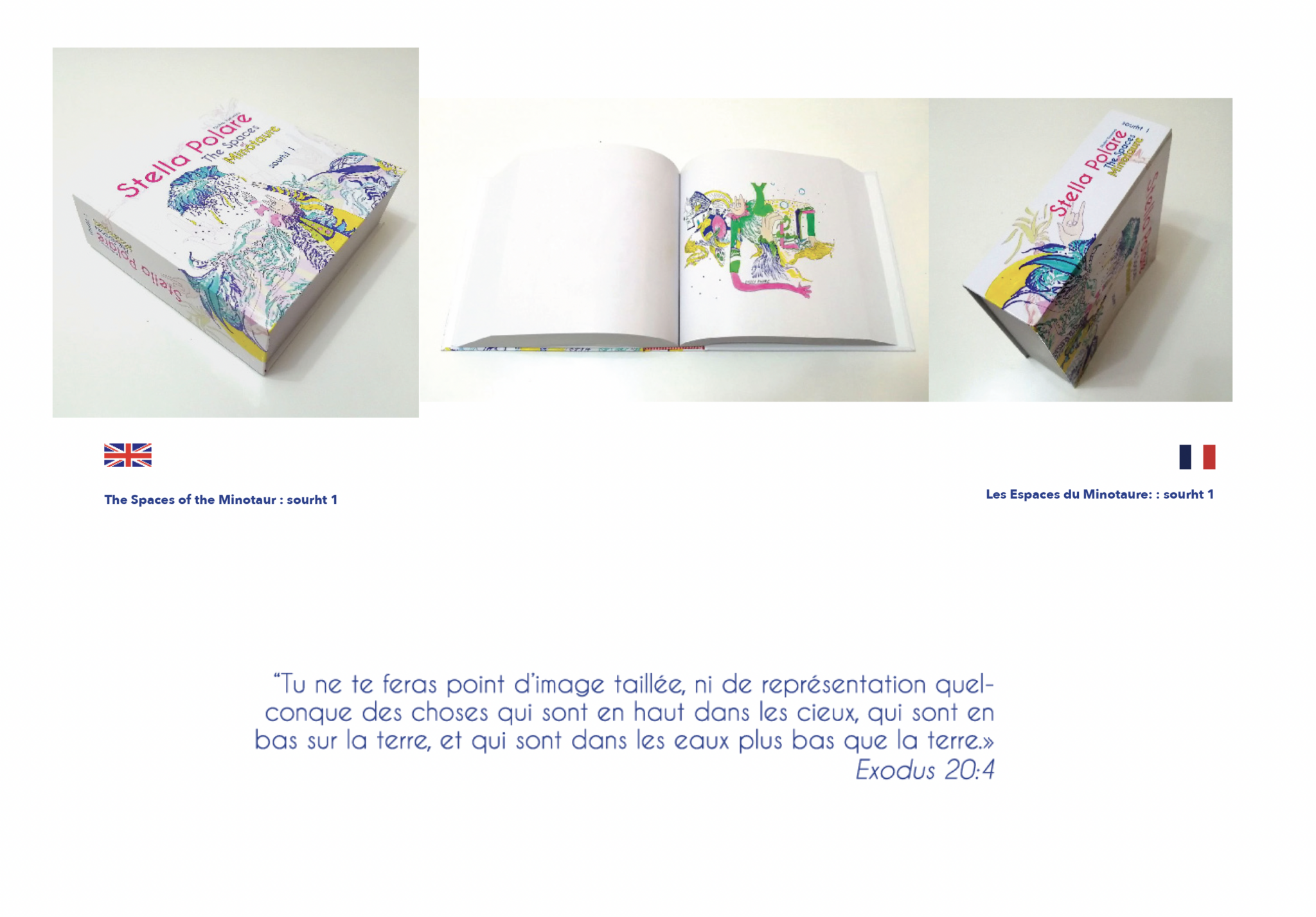
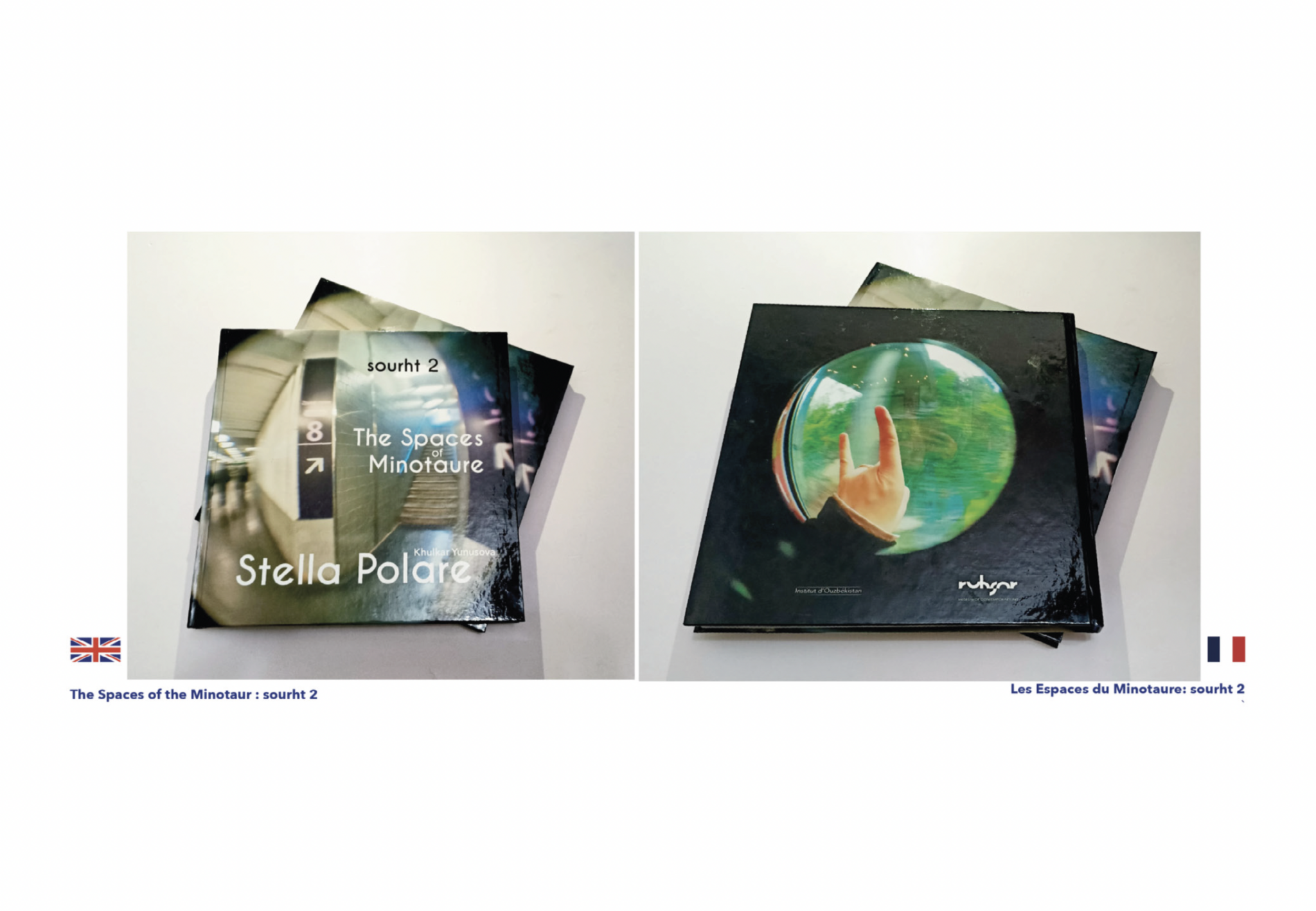
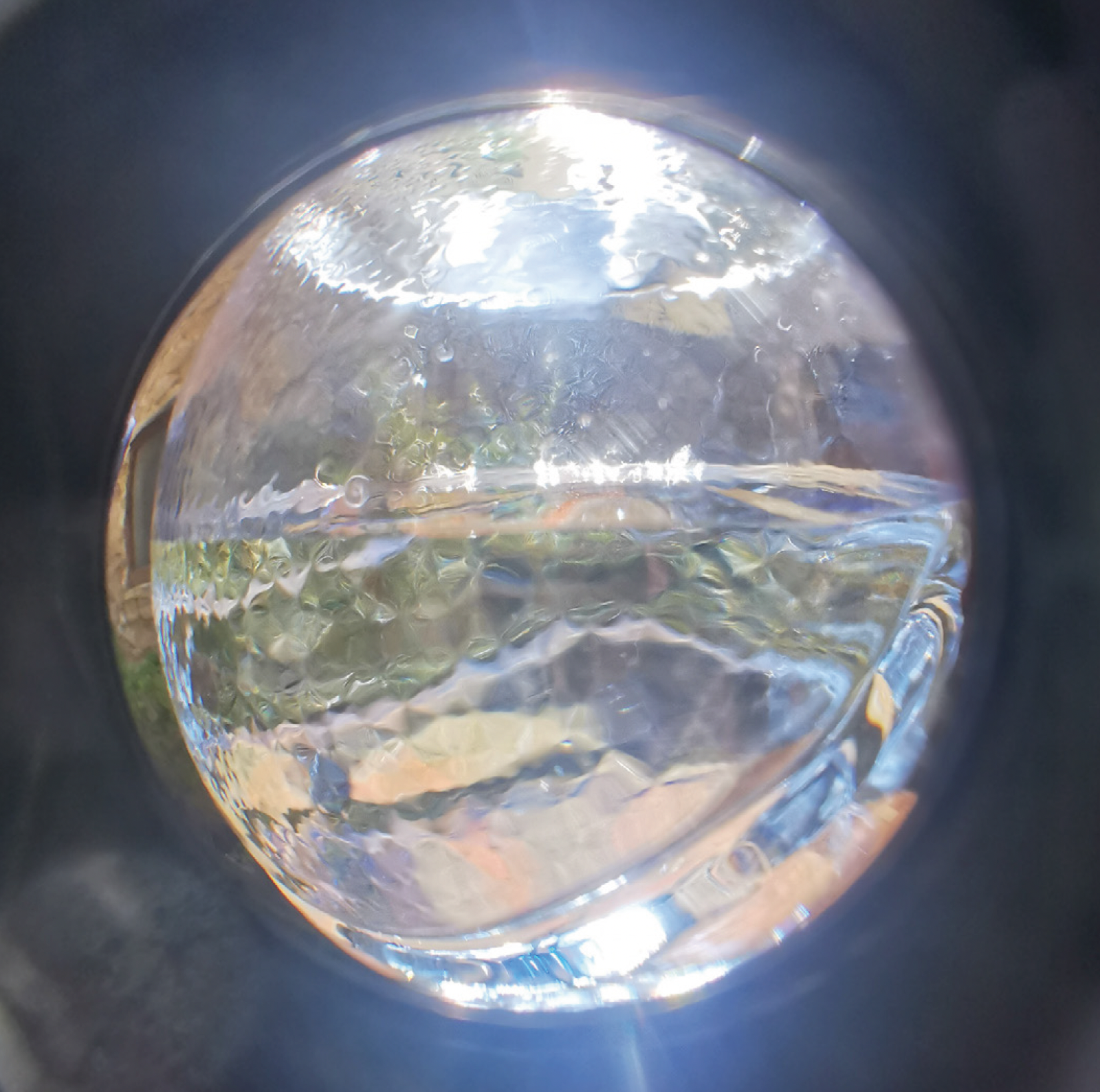
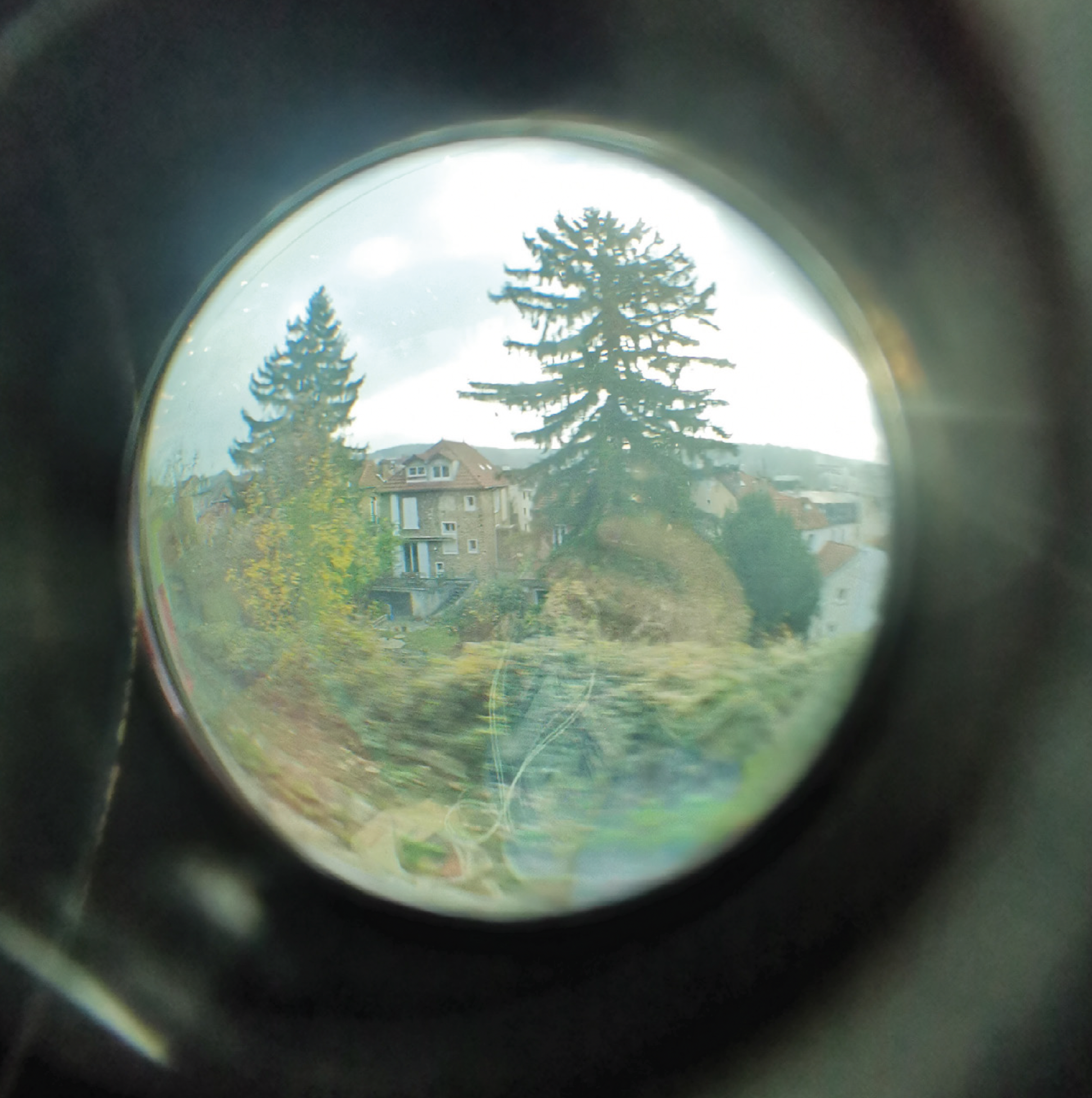
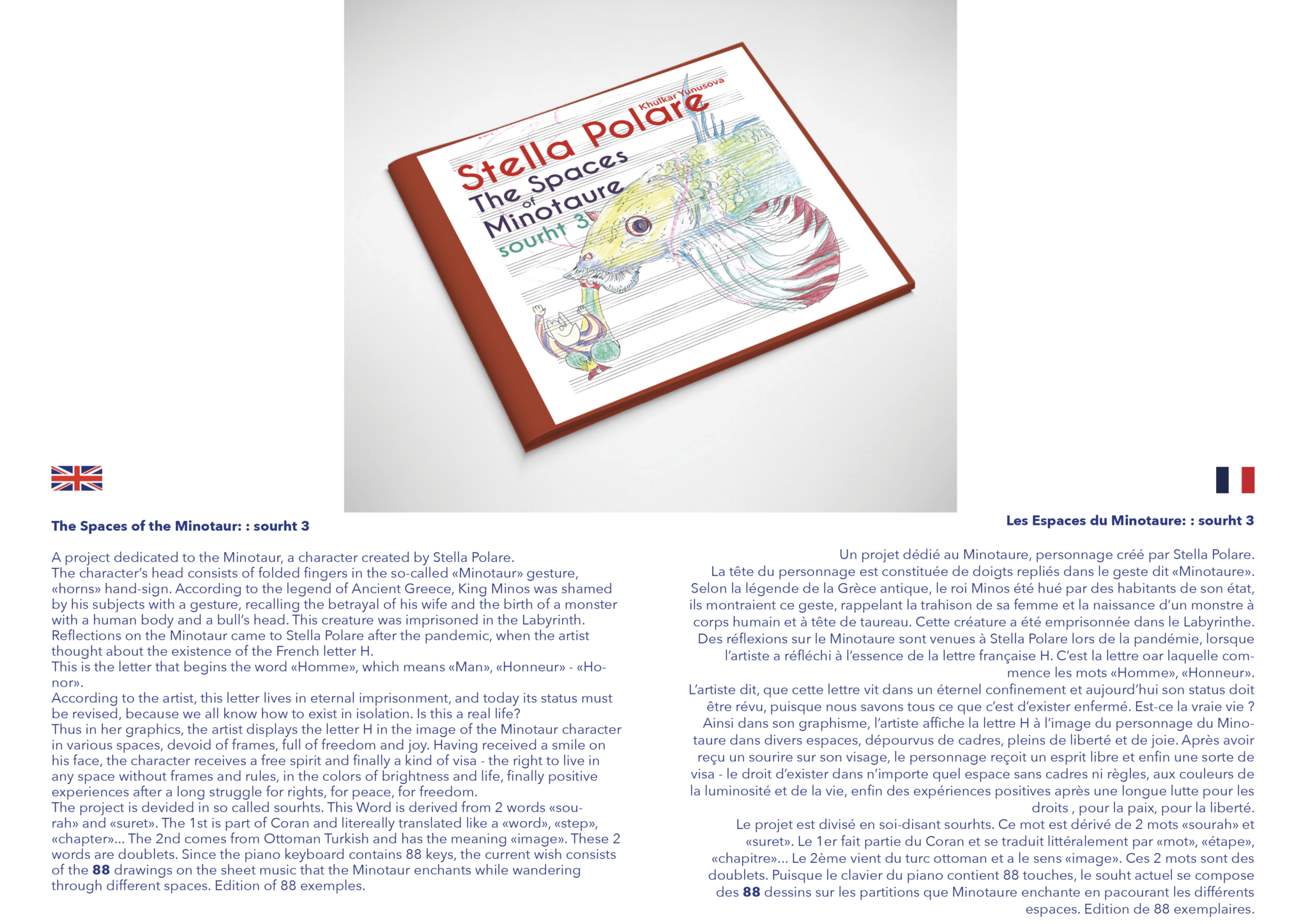
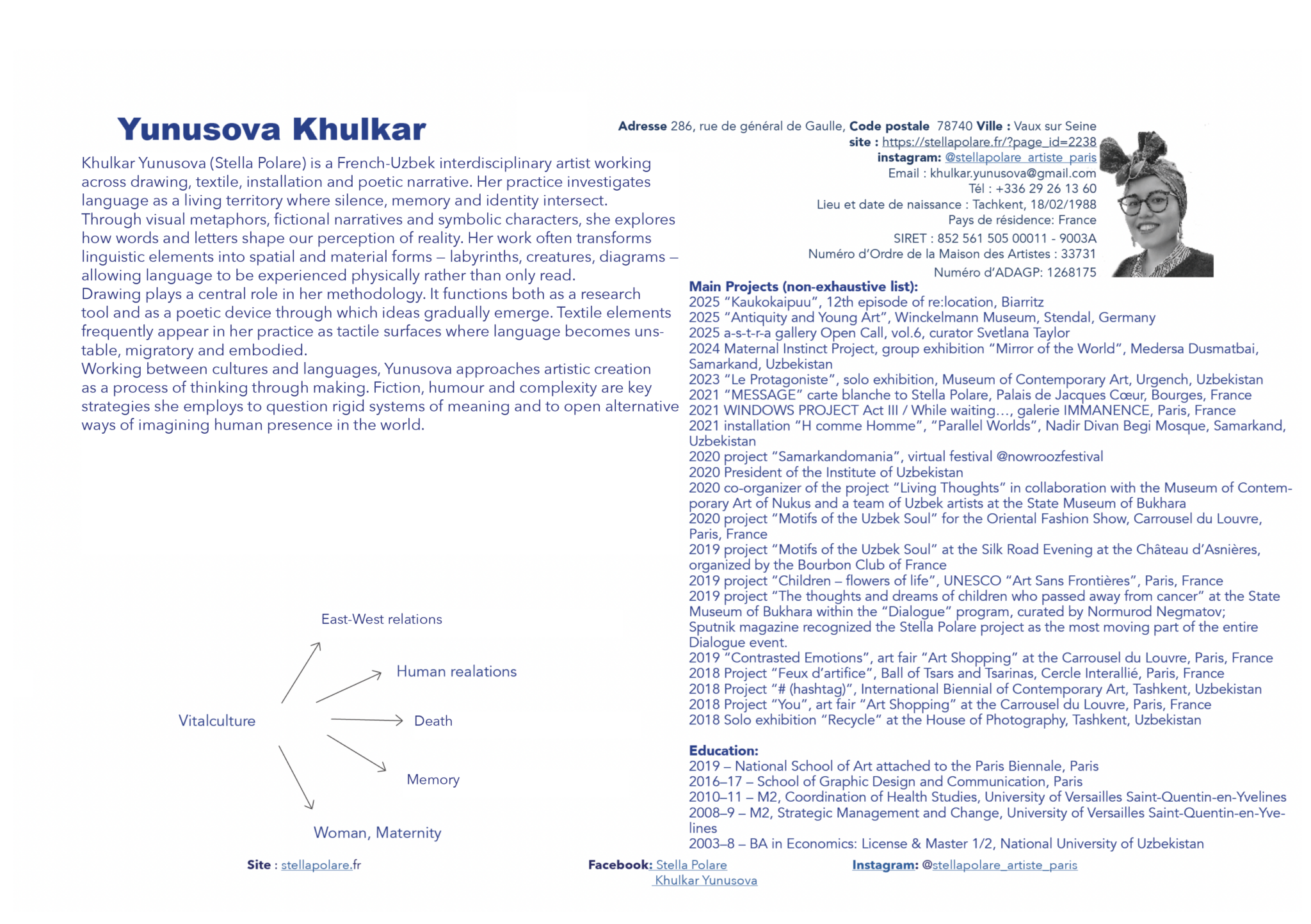
Khulkar Yunusova (Stella Polare) is a Franco-Uzbek interdisciplinary artist working across drawing, textile, installation, and poetic narrative. Her practice investigates language as a living territory where silence, memory, and identity intersect. Through visual metaphors and symbolic forms, she explores how words and letters shape perception, often transforming linguistic structures into spatial and material environments.
Drawing plays a central role in her methodology, functioning both as a research tool and a poetic device through which ideas gradually emerge. Textile frequently appears in her work as a tactile surface where language becomes unstable, embodied, and migratory.
Working between cultures and languages, Yunusova approaches artistic creation as a process of thinking through making. Her work engages themes of absence, transformation, and human presence, often informed by her experience as a mother and her background in pediatric oncology environments. Through fiction, humor, and layered narratives, she questions fixed systems of meaning and opens alternative ways of sensing and inhabiting the world.ench
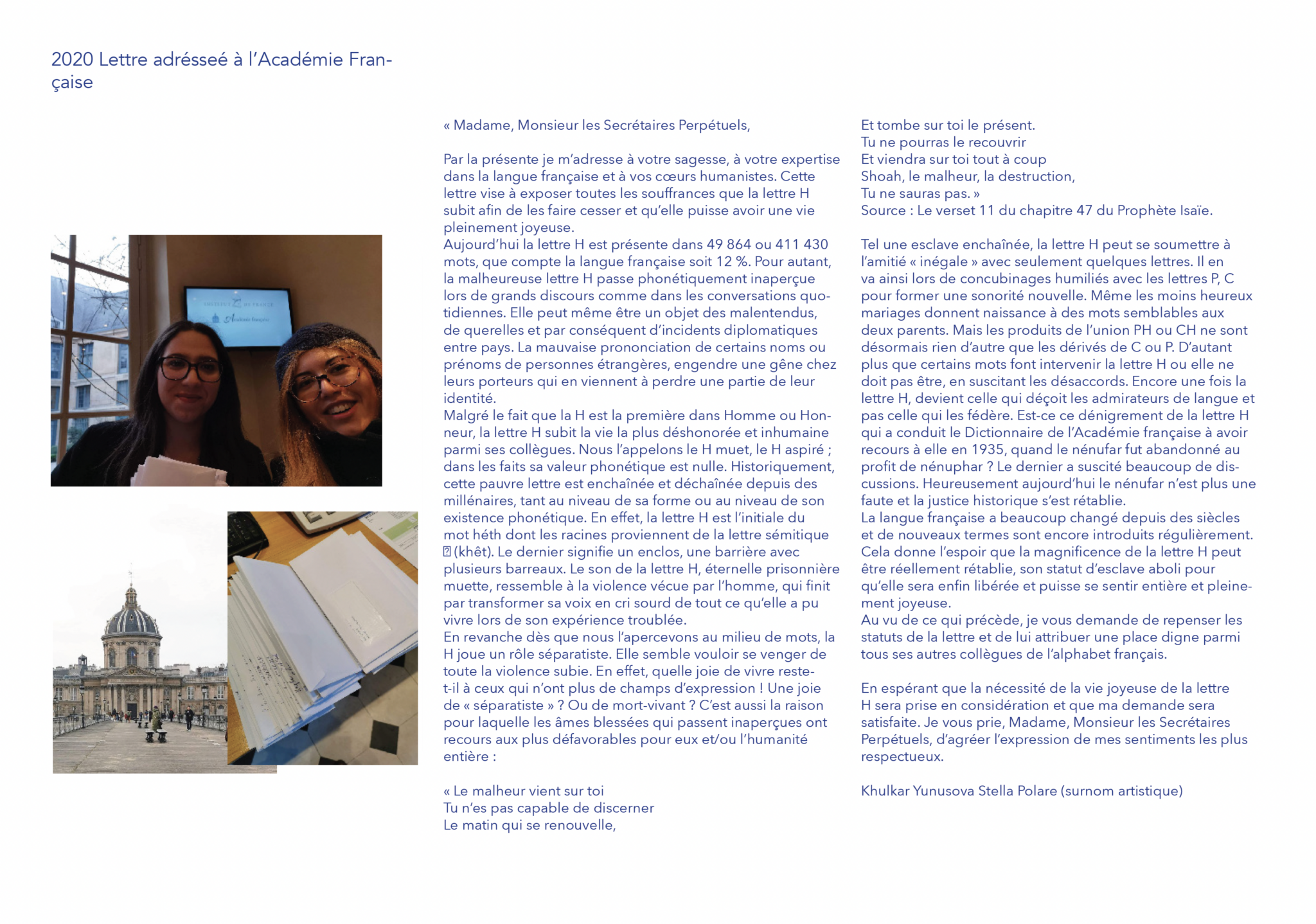
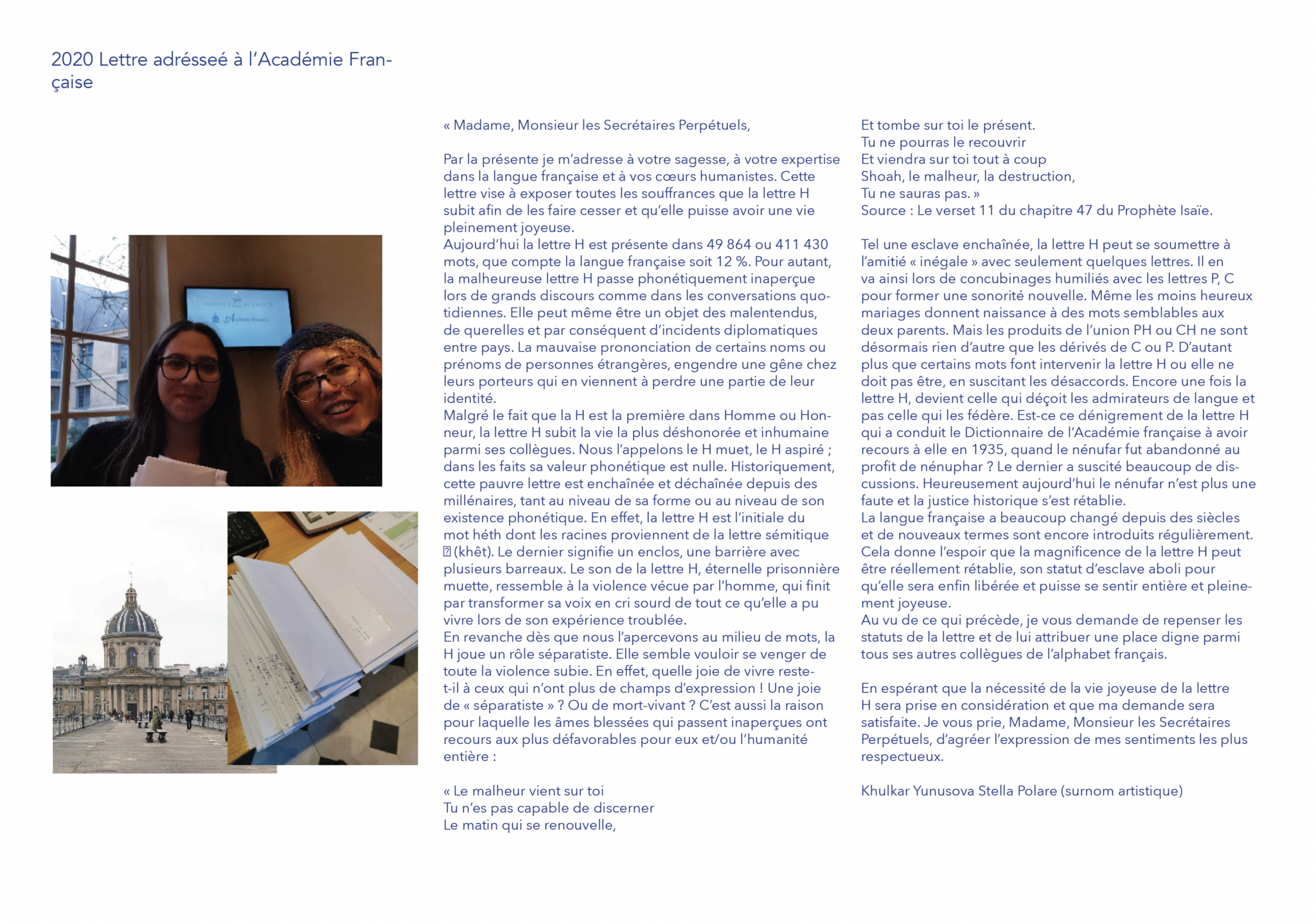
“Madam, Sir Permanent Secretaries,”
With this letter, I address your wisdom, your expertise in the French language, and your humanist sensibilities. This letter aims to present all the sufferings endured by the letter H, so that they may cease and that it may live a fully joyful life.
Today, the letter H appears in 49,864 out of 411,430 words that make up the French language, which is 12%. Yet, despite this presence, the unfortunate letter H often goes phonetically unnoticed, both in major speeches and in everyday conversations. It can even become a source of misunderstanding, disputes, and, consequently, diplomatic incidents between countries. The incorrect pronunciation of certain names or surnames of foreign origin creates discomfort for their bearers, who may feel that part of their identity is being lost.
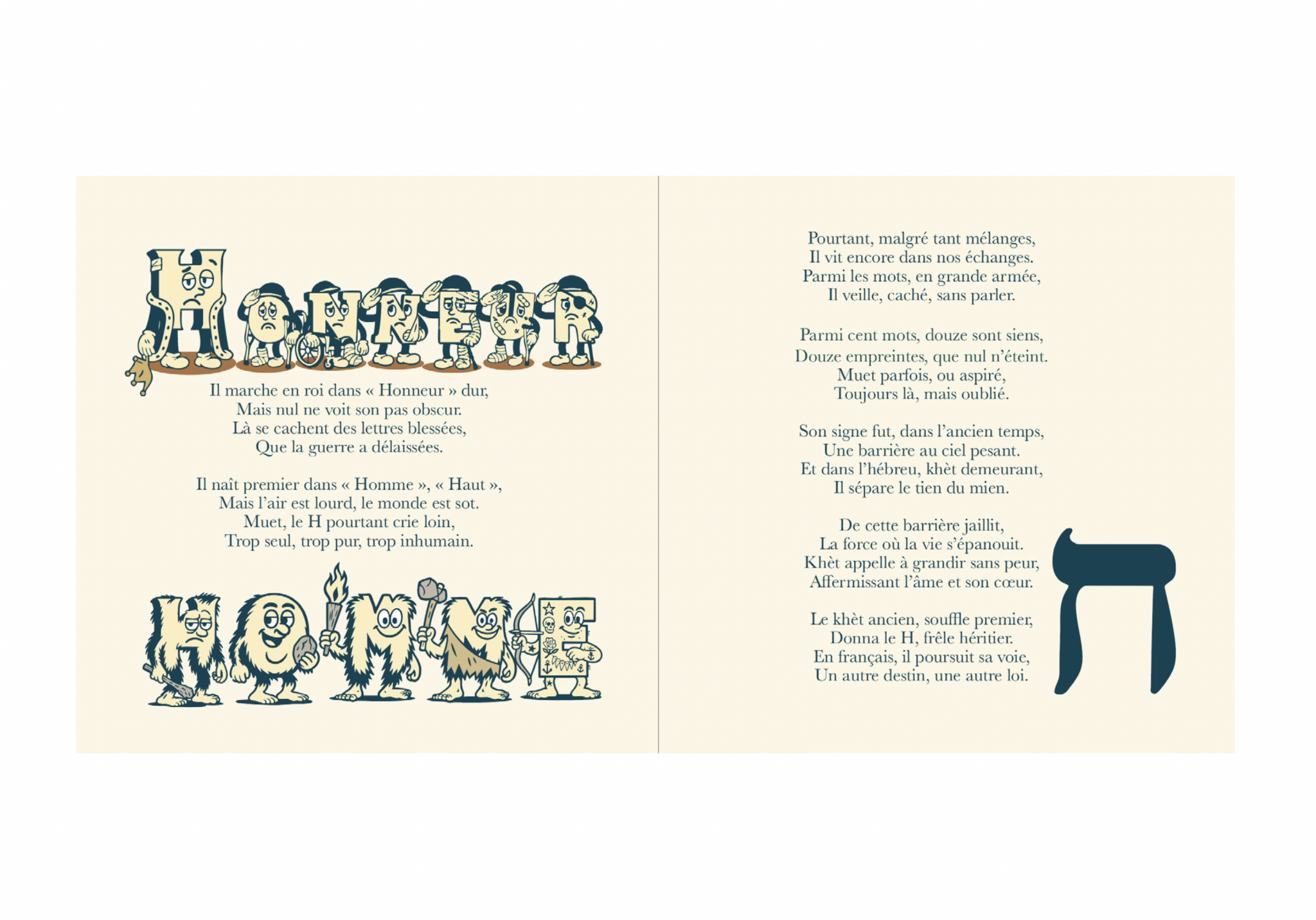
Despite the fact that H is the first letter of Homme (Man) or Honneur (Honor), it endures one of the most dishonored and inhumane existences among its peers. We call it the mute H, the aspirated H; in reality, its phonetic value is null. Historically, this poor letter has undergone a process of dispossession for millennia, both in its form and in its phonetic existence. Indeed, the letter H originates from the word ḥet, whose roots lie in the Semitic letter (ḥēt), meaning an enclosure, a barrier with several boundaries.
The sound of the letter H, an eternal silent prisoner, echoes the violence experienced by humanity, which eventually transforms its voice into a muted cry of everything it has endured during its troubled existence.
Yet, as soon as we perceive it within words, it takes on a separating function. It seems to seek revenge for all the violence it has suffered. Indeed, what joy of living remains for those who no longer have spaces of expression, except the role of a “separator” in order to feel truly alive? This is also why wounded souls, passing unnoticed, sometimes turn toward harmful actions for themselves and/or for humanity as a whole:
“Misfortune comes upon you
You are unable to discern
The morning that renews itself,
And suddenly the present falls upon you.
You will not be able to escape it,
And all will come upon you at once—
Shoah, misfortune, destruction,
You will not know.”
(Source: Isaiah, chapter 47, verse 11)
Like a chained slave, the letter H submits itself to unequal “alliances” with only a few letters. This is the case in humiliating unions with the letters P and C, forming new sounds. Even less fortunate unions produce offspring resembling both parents. But the products of these unions—PH or CH—are now nothing more than derivatives of C or P. Furthermore, some words include the letter H where it should not appear, creating confusion. Once again, H divides language lovers rather than uniting them.
Was it this denigration of the letter H that led the Dictionary of the Académie française to remove it in 1935, when nénufar replaced nénuphar? This change sparked much debate. Fortunately, today, nénuphar is no longer considered incorrect, and historical justice has been restored.
The French language has evolved greatly over the centuries, and new terms continue to be introduced. This gives hope that the magnificence of the letter H may be fully restored, that its status as a slave may be abolished, so that it may finally be free and feel whole and fully joyful.
In light of the above, I ask you to reconsider the status of the letter and to grant it a dignified place among its fellow letters of the French alphabet.
Hoping that the necessity of the joyful life of the letter H will be taken into consideration, and that my request will be fulfilled,
I ask you, Madam, Sir Permanent Secretaries, to accept the expression of my highest respect.
Khulkar Yunusova Stella Polare (artistic name)
Ce fut quatrième colloque organisé sur les communautés artistiques en exil le 5 novembre de 9h30 jau Campus Condorcet. Ce colloque international, labellisé UXIL, est cette fois-ci organisé par le Campus Condorcet, le Centre de recherches sur les arts et le langage (CRAL) de EHESS - Ecole des Hautes Etudes en Sciences Sociales, Institut ACTE de l'University of Paris I: Panthéon-Sorbonne et Faculty of Liberal Arts and Sciences | FLAS Monténégro dans le cadre de l'appel à projets « Organisation de manifestations scientifiques — Automne 2025 ».